
Acne is more than just a teenage rite of passage; it is a complex medical condition that affects millions of adults every year. Whether you are dealing with occasional blackheads or persistent cystic breakouts, understanding the root cause is the only way to clear your skin effectively. Many people waste months trying random products because they treat the symptom rather than the source. This guide breaks down exactly what happens in your pores, why different types of acne require different approaches, and how to choose between topical vs. oral treatments for the best results.
To fix acne, you first need to understand the mechanics behind it. According to research from the Mayo Clinic, acne develops when four specific factors collide. First, your sebaceous glands produce too much oil, known as sebum. Second, dead skin cells stick together instead of shedding normally, clogging the hair follicle. Third, a bacteria called Cutibacterium acnes (formerly Propionibacterium acnes) multiplies inside this plugged pore. Finally, your body’s immune system reacts to this bacterial overgrowth with inflammation, resulting in the red, painful bumps we recognize as pimples.
Hormones act as the primary trigger for this process. During puberty, androgens increase, causing sebaceous glands to enlarge and pump out more oil. However, hormones aren't the only culprit. Insulin levels, often raised by high-sugar diets, can also stimulate oil production. Genetic predisposition plays a significant role too; if both parents had severe acne, your risk increases by 50%. Other contributing factors include certain medications like corticosteroids or lithium, stress, and even friction from tight clothing or helmets, which leads to mechanical acne.
Not all acne is created equal. Treating a whitehead with the same intensity as a deep cyst can lead to unnecessary irritation or scarring. Dermatologists generally categorize acne into three main clinical groups: comedonal, inflammatory, and nodular/cystic.
There are also specialized forms. Hormonal acne typically appears along the jawline, chin, and neck, flaring up during menstrual cycles, pregnancy, or menopause. Fungal acne, caused by yeast overgrowth, presents as uniform, itchy tiny bumps on the chest or back. Recognizing these patterns helps determine whether you need an exfoliant, an antibiotic, or a hormonal blocker.
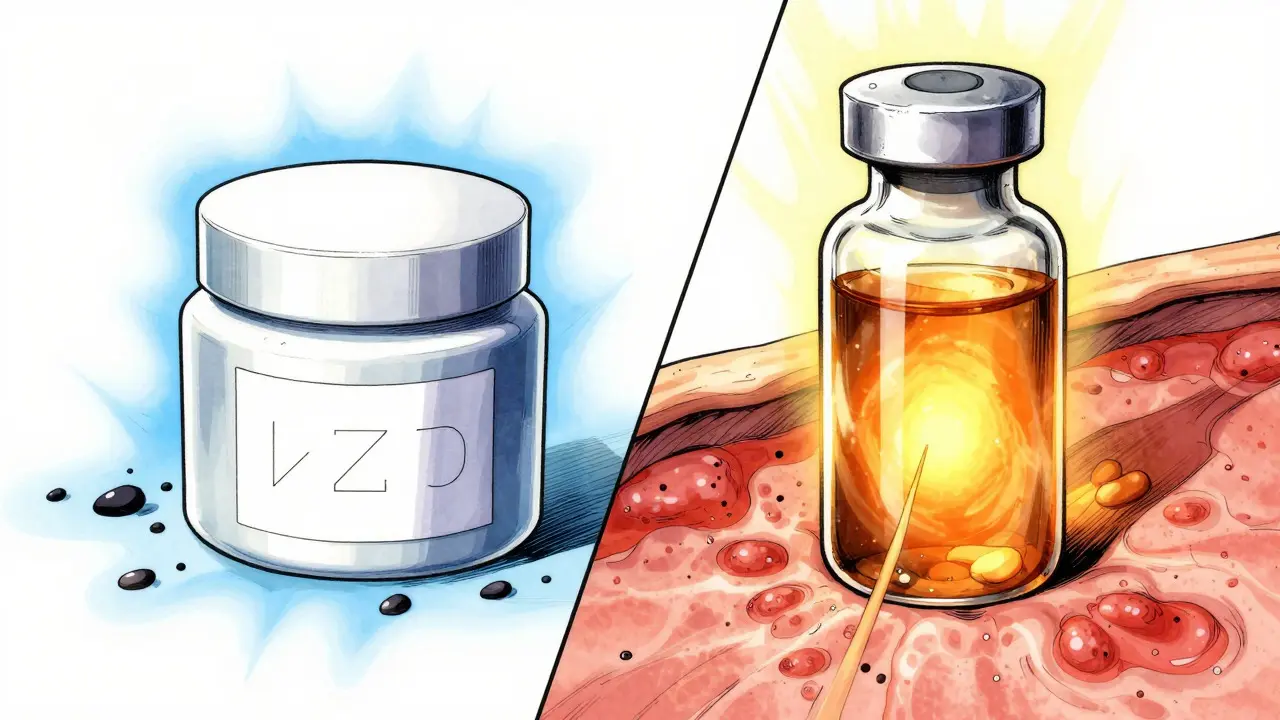
For mild to moderate acne, dermatologists recommend starting with topical therapies. These creams, gels, and washes work directly on the skin's surface to unclog pores and reduce bacteria. They are accessible, often available over-the-counter, and carry fewer systemic side effects than oral medications.
| Ingredient | Primary Function | Best For | Key Considerations |
|---|---|---|---|
| Benzoyl Peroxide (2.5-10%) | Kills C. acnes bacteria and reduces inflammation | Inflammatory acne, pustules | Can bleach fabrics; may cause dryness |
| Salicylic Acid (0.5-2%) | Exfoliates inside the pore to dissolve oil | Blackheads, whiteheads, oily skin | Gentler than retinoids; good for sensitive skin |
| Retinoids (Tretinoin, Adapalene) | Normalizes cell turnover to prevent clogs | All types, especially comedonal and fine lines | Causes initial "purging"; requires sunscreen use |
| Clascoterone (Winlevi) | Blocks androgen receptors in skin | Hormonal acne in women and men | Prescription only; newer alternative to steroids |
Benzoyl peroxide is a powerhouse for killing bacteria. Studies show it can reduce C. acnes populations by 90% within four weeks. Salicylic acid is a beta-hydroxy acid (BHA) that penetrates oil to clean out pores from the inside, making it ideal for blackheads. Retinoids like adapalene (available OTC as Differin) and tretinoin (prescription) are considered the gold standard for long-term prevention because they stop the clog before it starts. However, they come with a catch: about 40% of users experience "purging," where acne temporarily worsens in the first four weeks as deep-seated impurities surface. Patience is critical here.
If topical treatments fail after 8-12 weeks, or if you have moderate to severe cystic acne, oral medications become necessary. These treatments address the internal drivers of acne, such as systemic inflammation or hormonal imbalances.
Oral antibiotics, such as doxycycline or minocycline, are commonly prescribed for their anti-inflammatory properties. They can reduce inflammatory lesions by 50-70% within three months. However, doctors usually limit antibiotic use to short courses (3-6 months) to prevent antibiotic resistance, which affects up to 25% of long-term users. They are almost always paired with a topical benzoyl peroxide to enhance efficacy and reduce resistance risk.
For women with hormonal acne, oral contraceptives containing ethinyl estradiol and progestin can be highly effective. By regulating hormone fluctuations, these pills reduce oil production, leading to a 50-60% improvement in acne severity after 3-6 months. Another option is spironolactone, an anti-androgen medication that blocks testosterone from stimulating oil glands. Clinical data shows 40-60% improvement in hormonal acne patients, though some report side effects like dizziness or irregular periods.
The most potent treatment for severe, scarring cystic acne is isotretinoin (formerly Accutane). This oral retinoid shrinks oil glands permanently. It achieves clearance rates of 80-90%, with 60% of patients experiencing permanent remission. Due to its teratogenicity (risk of birth defects), it requires strict monitoring through programs like iPLEDGE in the US. Despite the rigorous protocol, many patients consider it life-changing due to its ability to halt severe scarring.

Deciding between topical and oral treatments depends on severity, acne type, and lifestyle constraints. Dr. Whitney Bowe, a board-certified dermatologist, notes that targeted therapy based on subtype improves clearance rates by 30% compared to generic approaches. Here is a practical decision framework:
It is crucial to manage expectations. Topical treatments typically take 6-8 weeks to show noticeable improvement. Oral antibiotics may show results in 4-6 weeks, but hormonal treatments like spironolactone or birth control pills require 3-6 months to reach full efficacy. Discontinuing treatment prematurely is the number one reason for failure, with 70% of patients stopping topicals too early due to initial irritation.
Avoiding common mistakes can save you months of frustration. First, do not over-wash your face. Stripping the skin barrier with harsh cleansers can trigger rebound oil production. Use a gentle, non-comedogenic cleanser twice daily. Second, never skip sunscreen. Many acne treatments, especially retinoids and benzoyl peroxide, increase sun sensitivity. Sun damage can worsen post-inflammatory hyperpigmentation (dark spots left after pimples heal).
Introduce new products slowly. If you start a retinoid, apply it every third night for the first two weeks, then gradually increase frequency. This minimizes purging and irritation. Moisturize consistently, even if your skin feels oily. A lightweight, oil-free moisturizer helps repair the skin barrier, making it more resilient to active ingredients.
Finally, watch your diet and stress levels. While food doesn't cause acne for everyone, high-glycemic foods (sugary snacks, white bread) and dairy can exacerbate breakouts in susceptible individuals by spiking insulin. Stress elevates cortisol, which also stimulates oil glands. Managing these lifestyle factors supports your medical treatment plan.
Most topical treatments require 6-8 weeks to show visible improvement, with full results taking 12 weeks. Oral antibiotics may show reduction in inflammation within 4-6 weeks. Hormonal treatments like spironolactone or oral contraceptives typically take 3-6 months to achieve maximum benefit. Isotretinoin works faster, often showing significant changes within the first month, but requires a 15-20 week course.
Hormonal acne typically presents as deep, painful cysts located along the lower face, jawline, chin, and neck. It often flares cyclically, such as before menstruation. Regular acne can appear anywhere on the face, chest, or back and includes blackheads, whiteheads, and surface-level pimples. Hormonal acne is driven by internal androgen fluctuations, while regular acne is often triggered by excess oil, bacteria, and dead skin cell buildup.
Yes, but caution is needed. Using them simultaneously can cause excessive dryness and irritation. A common strategy is to apply benzoyl peroxide in the morning and retinoid at night. Alternatively, some prescription combinations exist that blend both ingredients. Always follow with a moisturizer and sunscreen to protect your skin barrier.
Isotretinoin is highly effective but has significant risks. It is strictly teratogenic, meaning it causes severe birth defects, so women of childbearing age must use two forms of contraception and enroll in monitoring programs. Other side effects include dry lips, eyes, and skin, muscle aches, and potential mood changes. It requires regular blood tests to monitor liver function and lipid levels. It is reserved for severe, treatment-resistant cystic acne.
For some people, yes. Research suggests that high-glycemic index foods (sugars, refined carbs) and skim milk may worsen acne by increasing insulin and insulin-like growth factor 1 (IGF-1), which stimulates oil production. Reducing these foods and incorporating omega-3 fatty acids and zinc may help improve skin clarity, though diet alone rarely clears moderate to severe acne without medical treatment.