
Imagine spending millions of dollars to challenge a drug patent, only to have your reward slashed in half because the brand-name company decided to sell its own version of the generic. This is the reality for many pharmaceutical companies navigating the complex world of 180-day exclusivity, a statutory incentive designed to encourage generic competition but often undermined by the strategic launch of authorized generics.
The U.S. pharmaceutical market operates on a delicate balance between rewarding innovation and ensuring affordable access to medications. At the heart of this system is the Hatch-Waxman Act (officially the Drug Price Competition and Patent Term Restoration Act of 1984). This legislation created a pathway for generic manufacturers to enter the market earlier than the expiration of brand-name patents by filing a Paragraph IV certification. In return for taking on the legal risk of challenging these patents, the first successful generic applicant receives 180 days of marketing exclusivity.
However, this exclusivity is not absolute. Brand-name manufacturers can bypass the restrictions by launching authorized generics-essentially their own brand-name drugs sold without the brand name during the exclusivity period. This practice has sparked intense legal debate, shifting market dynamics, and significant financial consequences for all parties involved.
To understand why authorized generics are so controversial, we first need to look at how the exclusivity period is triggered and maintained. The provision is codified in 21 U.S.C. § 355(j)(5)(B)(iv), which grants the "first applicant" a 180-day window where the FDA cannot approve any other Abbreviated New Drug Applications (ANDAs) for that specific drug.
Qualifying as the "first applicant" requires more than just being first to file. You must submit a substantially complete ANDA with a Paragraph IV certification challenging at least one unexpired patent listed in the FDA Orange Book. Within 20 days of the FDA accepting your application, you must notify the patent holder. This notification triggers a 45-day window for the brand owner to sue for patent infringement, which typically results in a 30-month stay on FDA approval.
The exclusivity clock starts ticking when the first generic begins commercial marketing or when a court rules the patent invalid or unenforced, whichever comes first. During these 180 days, the generic manufacturer enjoys a monopoly-like position, often capturing up to 80% of the market share. This period is incredibly valuable; according to the Supreme Court’s 2013 decision in Actavis, it can be worth hundreds of millions of dollars.
An authorized generic is a product manufactured by the brand-name company but marketed under a different label, usually without the brand name, during the exclusivity period granted to a third-party generic competitor. Unlike traditional generics, authorized generics do not require an ANDA or bioequivalence studies because they are identical to the reference listed drug.
This loophole allows brand-name companies to compete directly against the very generic challenger they were supposed to lose exclusivity to. Between 2005 and 2015, authorized generics entered the market in approximately 60% of cases where 180-day exclusivity was granted. When this happens, the first generic’s market share typically drops from around 80% to 50%, reducing potential revenue by 30-50%.
| Scenario | Average Market Share for First Generic | Estimated Revenue Impact |
|---|---|---|
| No Authorized Generic Entry | ~80% | Full capture of exclusivity value |
| Authorized Generic Enters | ~50% | 30-50% reduction in revenue |
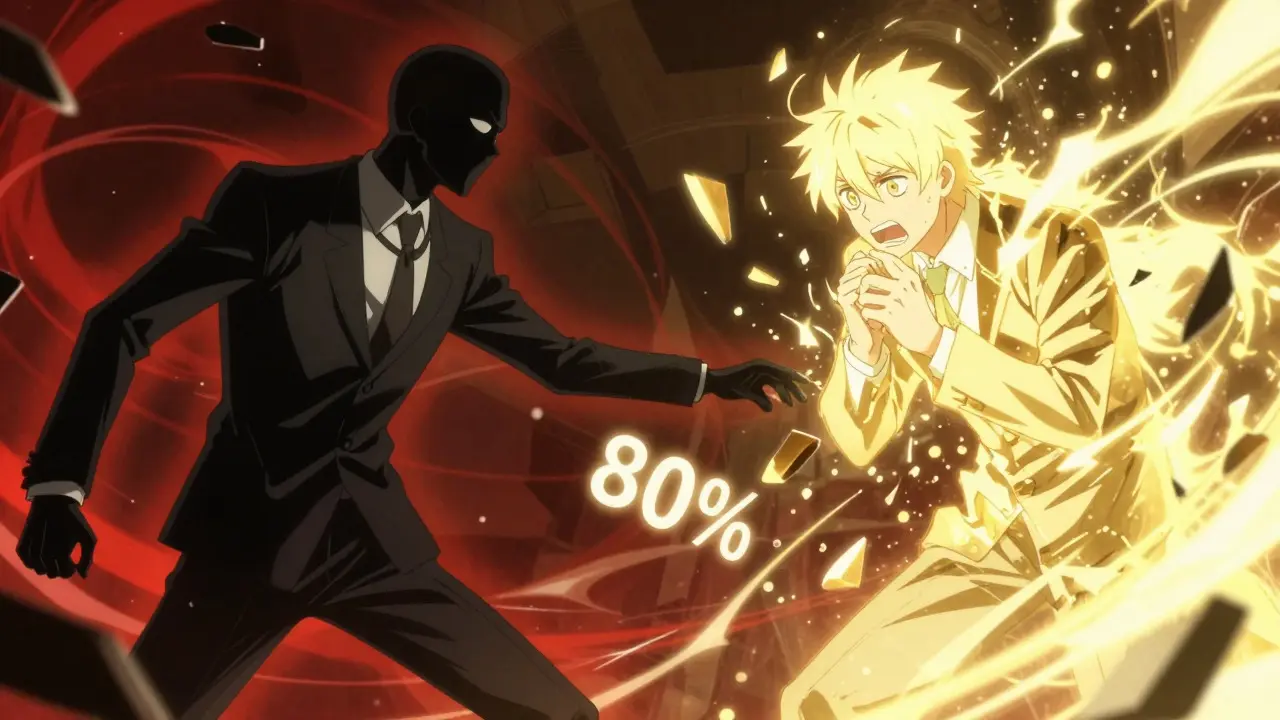
The interaction between 180-day exclusivity and authorized generics creates a high-stakes legal environment. For generic manufacturers, the threat of an authorized generic launch significantly diminishes the incentive to file costly Paragraph IV challenges. Legal fees alone can range from $2 to $5 million per patent challenge. If the reward is halved due to brand competition, the return on investment becomes much less attractive, particularly for smaller generic firms.
In response, many generic manufacturers now negotiate contractual provisions with brand-name companies as part of patent settlement agreements. According to industry analysis, nearly 78% of first generic applicants include clauses that delay or prevent authorized generic entry. These settlements are closely scrutinized by the Federal Trade Commission (FTC), which has filed numerous antitrust lawsuits alleging that such agreements improperly delay competition.
For brand-name manufacturers, authorized generics serve as a defensive strategy. They allow the brand to maintain some level of market presence and pricing power even after losing patent exclusivity. Industry groups like PhRMA argue that authorized generics benefit consumers by lowering prices immediately upon generic entry. A 2011 FDA report supported this view, noting that drug prices tend to be lower when authorized generics compete with a single generic compared to scenarios with no authorized generic.
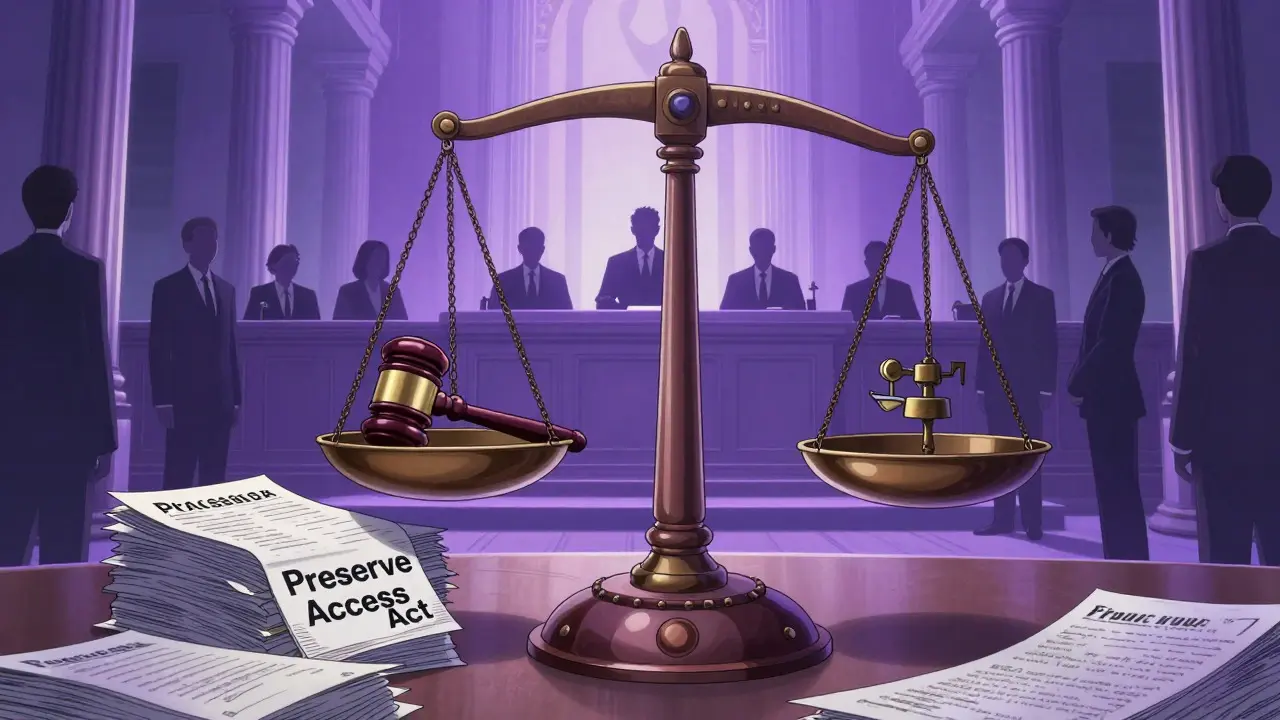
The current regulatory framework leaves the door open for authorized generics, but pressure for change is mounting. The FDA has acknowledged that the current system creates unintended disincentives for timely generic entry. Commissioner Robert Califf has testified before Congress supporting legislative changes to clarify the law and prevent brand entry during the exclusivity period.
Several legislative proposals, including the Preserve Access to Affordable Generics and Biosimilars Act, aim to prohibit brand-name manufacturers from launching authorized generics during the 180-day window. If passed, such legislation could increase the value of successful Paragraph IV challenges by $150-$250 million per drug, potentially boosting the number of patent challenges by 20-25%.
Despite these efforts, the debate remains contentious. Proponents of authorized generics point to studies showing price benefits for consumers, while critics argue that the practice undermines the core purpose of the Hatch-Waxman Act: to incentivize generic competition through exclusive market access.
If you are a generic manufacturer considering a Paragraph IV challenge, you must factor in the risk of authorized generic entry. Conduct thorough due diligence on the brand-name company’s history with authorized generics. Engage cross-functional teams early-including regulatory affairs, legal, and commercial personnel-to develop a robust strategy for triggering and protecting your exclusivity period. Avoid common pitfalls like miscalculating the trigger date or failing to maintain continuous marketing, which can forfeit your exclusivity rights.
For brand-name manufacturers, consider the long-term implications of launching an authorized generic. While it may provide short-term revenue protection, it could also deter future generic competition if perceived as overly aggressive. Monitor legislative developments closely, as changes to the Hatch-Waxman framework could restrict this strategy in the near future.
180-day exclusivity is a statutory period granted to the first generic drug applicant who successfully challenges a brand-name drug's patent via a Paragraph IV certification. During this time, the FDA cannot approve other generic applications for the same drug, giving the first entrant a temporary market advantage.
Yes. Brand-name manufacturers can launch "authorized generics," which are their own products sold without the brand name. These do not require FDA approval via an ANDA and can compete directly with the first generic entrant during the 180-day window.
When an authorized generic enters the market, the first generic's market share typically drops from around 80% to 50%. This fragmentation can reduce the first generic's potential revenue by 30-50%, significantly impacting the return on investment for the patent challenge.
Several bills, such as the Preserve Access to Affordable Generics and Biosimilars Act, have been introduced to prohibit brand-name manufacturers from launching authorized generics during the 180-day exclusivity period. However, as of 2026, no comprehensive federal law banning this practice has been enacted.
Brand-name companies use authorized generics to maintain market presence and pricing power after patent exclusivity ends. It allows them to compete with generic challengers without going through the lengthy ANDA process, potentially lowering prices for consumers while protecting some brand revenue.