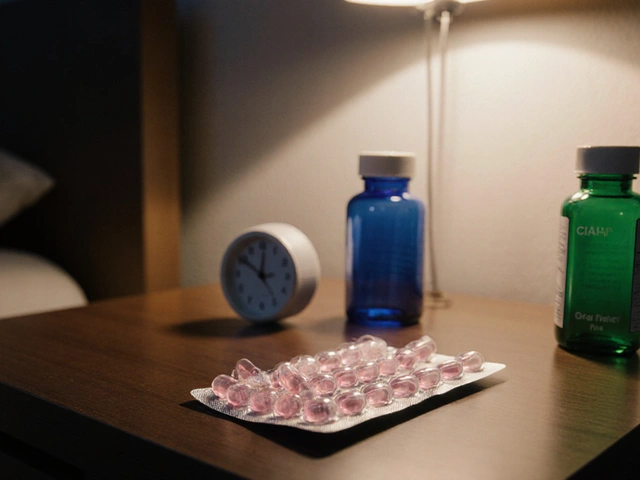

Medication errors are not just a hospital problem; they happen every day in community pharmacies and living rooms across the UK. The Institute of Medicine estimates that medication errors harm at least 1.5 million people annually in the US alone, with costs reaching $3.5 billion. While you might assume your pharmacist has checked everything, the final line of defense is often you. Asking the right medication safety questions can prevent adverse events, clarify confusing instructions, and ensure your treatment actually works as intended.
You don't need to be a medical expert to have these conversations. You just need to know what to ask. Whether you're picking up a new prescription or refilling an old one, the pharmacy counter is your opportunity to catch issues before they become health crises. Here are the essential questions to keep in your back pocket.
The first time you pick up a new drug, it's easy to feel overwhelmed by the label. Don't let that stop you from asking for clarity. Start with the basics: "What is this medication used for?" It sounds simple, but confirming the purpose ensures you haven't been given the wrong item or misunderstood the doctor's intent. Next, ask, "How and when should I take this medication?" This isn't just about the dose. It covers timing (with food or on an empty stomach), frequency, and duration. For example, some antibiotics work best if taken exactly every 12 hours, while others are fine if you remember them once a day. Missing these details can reduce effectiveness or increase side effects.
Also, ask if there are any specific ingredients that might trigger an allergic reaction. According to CDC data, medication allergies account for approximately 106,000 emergency department visits annually. If you have known allergies to penicillin, sulfa drugs, or even certain dyes in tablets, mention them explicitly. Pharmacists check charts, but verbal confirmation adds a layer of safety.
Every medication has potential side effects, but not all are equal. Ask, "What side effects should I expect, and which ones require immediate medical attention?" Distinguish between common, mild effects like slight nausea and serious red flags like difficulty breathing or severe rash. Knowing the difference helps you decide whether to call your GP or just wait it out.
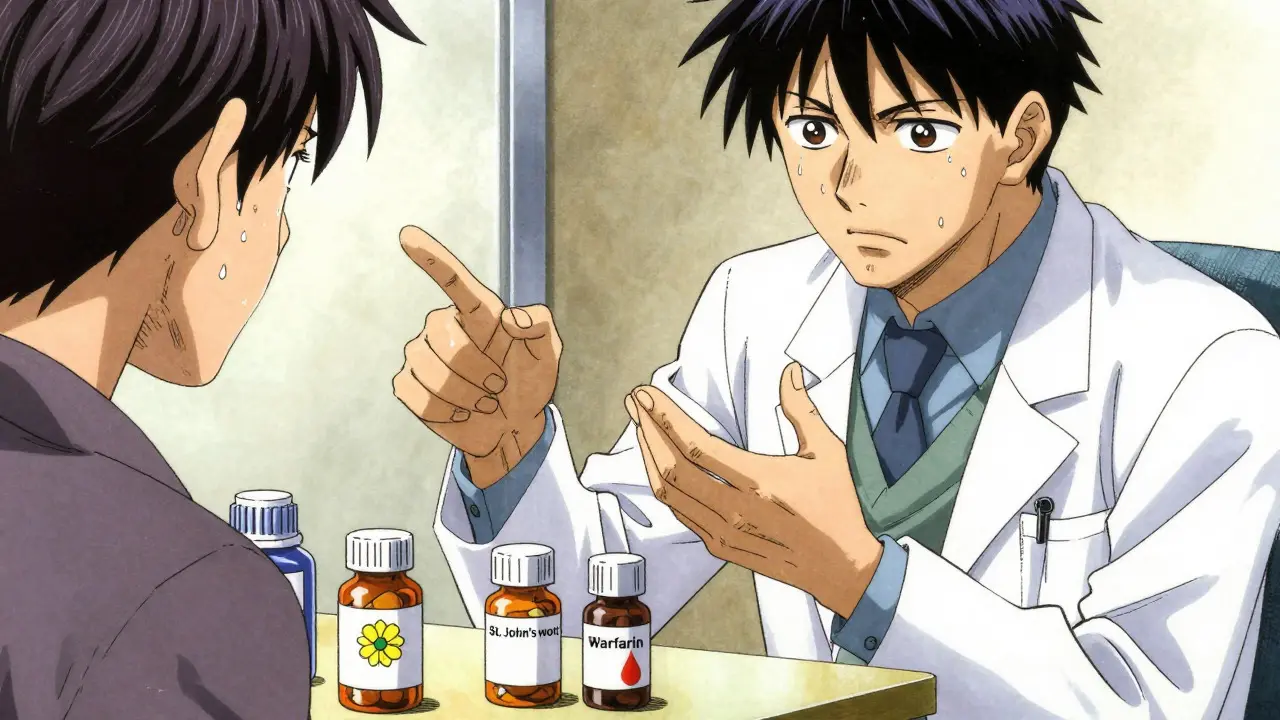
Equally critical is the question: "Does this medication interact with my other medications, supplements, or foods?" This is where many hidden dangers lurk. Combining ibuprofen with blood thinners like warfarin, for instance, can increase the risk of internal bleeding by 40-60%. Herbal supplements aren't always safe either; St. John's Wort, often used for mood, can significantly reduce the effectiveness of many prescription drugs. Bring a full list of everything you take-including over-the-counter painkillers, vitamins, and eye drops-to the counter. A Johns Hopkins study found that comprehensive reviews reduce polypharmacy risks by 29%.
| Medication/Supplement | Potential Interaction | Risk Level |
|---|---|---|
| Ibuprofen + Warfarin | Increased bleeding risk | High |
| St. John's Wort + Antidepressants | Serotonin syndrome or reduced efficacy | Medium-High |
| Grapefruit Juice + Statins | Increased drug concentration in blood | Medium |
| Calcium Supplements + Levothyroxine | Reduced thyroid hormone absorption | Low-Medium |
Many patients assume all pills go in the bathroom cabinet. In reality, storage matters. Ask, "How should I store this medication properly?" Some drugs, like insulin or certain eye drops, need refrigeration. Others, like nitroglycerin, degrade quickly if exposed to heat or light. One pharmacist shared a case where insulin was rendered ineffective because a patient stored it in a car glove compartment during summer. Check the label, but also ask your pharmacist if your home environment poses any risks.
Before you leave the counter, verify the physical appearance of the medication. Dartmouth-Hitchcock guidelines stress that patients should be familiar with what their meds look like. Appearance discrepancies account for 18% of reported dispensing errors. Take a photo of the pill bottle and the tablets themselves. If the color or shape changes in a future refill, you'll notice immediately. Also, confirm that the label has your name and the correct medication name. It’s a small step, but it prevents mix-ups, especially if you have multiple prescriptions.
If you're picking up medication for a child, be extra cautious. Most over-the-counter products are designed for adults. Ask specifically about pediatric dosing. Improper dosing accounts for 35% of medication errors in children under 12. Never cut adult doses without professional guidance. For elderly patients, consider asking about fall risks or cognitive impacts. Some antihistamines or sleep aids can cause dizziness or confusion, increasing the chance of falls. Your pharmacist can suggest alternatives with fewer central nervous system effects if needed.

One of the most powerful yet overlooked questions is: "May I repeat back what you just told me to make sure I understand?" Known as the teach-back method, this simple technique reduces communication errors by 31%, according to a 2020 study in the Journal of the American Pharmacists Association. It forces you to process the information actively rather than passively listening. When you say it back, the pharmacist can correct any misunderstandings immediately. It’s not about testing yourself; it’s about ensuring both parties are on the same page. Pocono Pharmacy implemented this protocol in 2023 and saw a 44% reduction in medication-related readmissions among their patients.
To make this easier, keep a printed or digital checklist of these questions. The BeMedWise organization’s guide has been downloaded over 247,000 times, proving that structure helps. You don’t have to memorize everything. Just having the questions written down takes the pressure off and ensures you don’t forget the critical bits when you’re tired or rushed.
Yes. Bring every prescription, over-the-counter drug, vitamin, mineral, herbal remedy, and even skin creams or eye drops. This allows the pharmacist to check for interactions you might not know about. Studies show this practice reduces polypharmacy risks significantly.
Absolutely. Pharmacists prefer clear communication over assumed knowledge. If something isn't clear the first time, ask again until it makes sense. Misunderstanding instructions is a leading cause of medication errors.
This is one of the WHO's 'five moments for medication safety.' Always flag new additions. Even if you've taken the old medication safely for years, the combination could create a new interaction profile that needs review.
Not every drug has significant food interactions, but it's worth a quick check. Some medications absorb better on an empty stomach, while others need food to prevent nausea. Grapefruit juice is a common culprit for statins and some heart medications.
Check the expiration date, but also ask your pharmacist if you should dispose of unused meds sooner. Some liquids lose potency faster. Keeping outdated meds can lead to accidental ingestion or confusion, so regular clean-outs are recommended.