
You survived the emergency room. The ambulance left, the monitors beeped steadily, and you went home thinking the worst was over. But for many people, that’s just the beginning. A medication overdose isn’t just a one-time crisis; it can rewrite your body’s blueprint for years to come. Whether it was an accidental mix-up with painkillers or a deliberate attempt to escape, the aftermath often brings challenges nobody warned you about. You might feel fine one day and struggle to remember why you walked into a room the next. This article breaks down exactly what happens to your body after an overdose, why some damage sticks around, and what you can actually do about it.
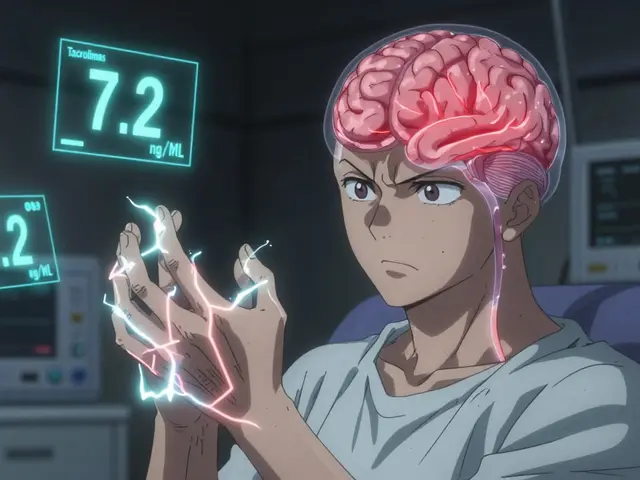
Medication overdose primarily threatens the brain because most drugs slow down breathing. When you stop breathing properly, your brain starves for oxygen. This is called hypoxia. If oxygen levels drop too low, you get anoxia, which is complete oxygen deprivation. Here is the scary part: permanent brain damage starts after just four minutes without oxygen. That’s less time than it takes to boil an egg.
Survivors often report "brain fog"-a persistent cloudiness that makes simple tasks feel impossible. According to clinical data, 63% of survivors experience memory issues, while 57% struggle with concentration. It’s not just forgetfulness. You might find yourself unable to make small decisions, like what to eat for lunch, without feeling overwhelmed. This isn’t laziness; it’s physical damage to the neural pathways that handle executive function. If you’re noticing these changes, know that they are real physiological responses to the trauma your brain endured.
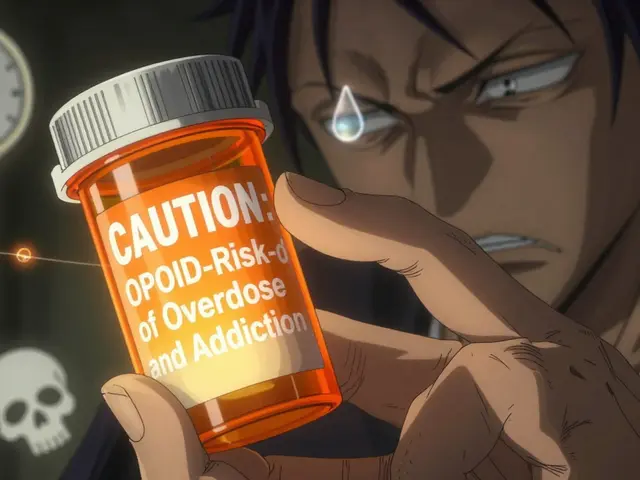
Your brain isn’t the only organ paying the price. Different types of medications attack different systems. Opioids, for instance, suppress your respiratory system so heavily that your kidneys and heart suffer from lack of oxygenated blood. Studies show that kidney failure occurs in 22% of non-fatal overdose cases. Your lungs can also take a hit. Inhaling vomit during an unconscious episode can lead to pneumonia, which causes long-term scarring and reduced lung capacity.
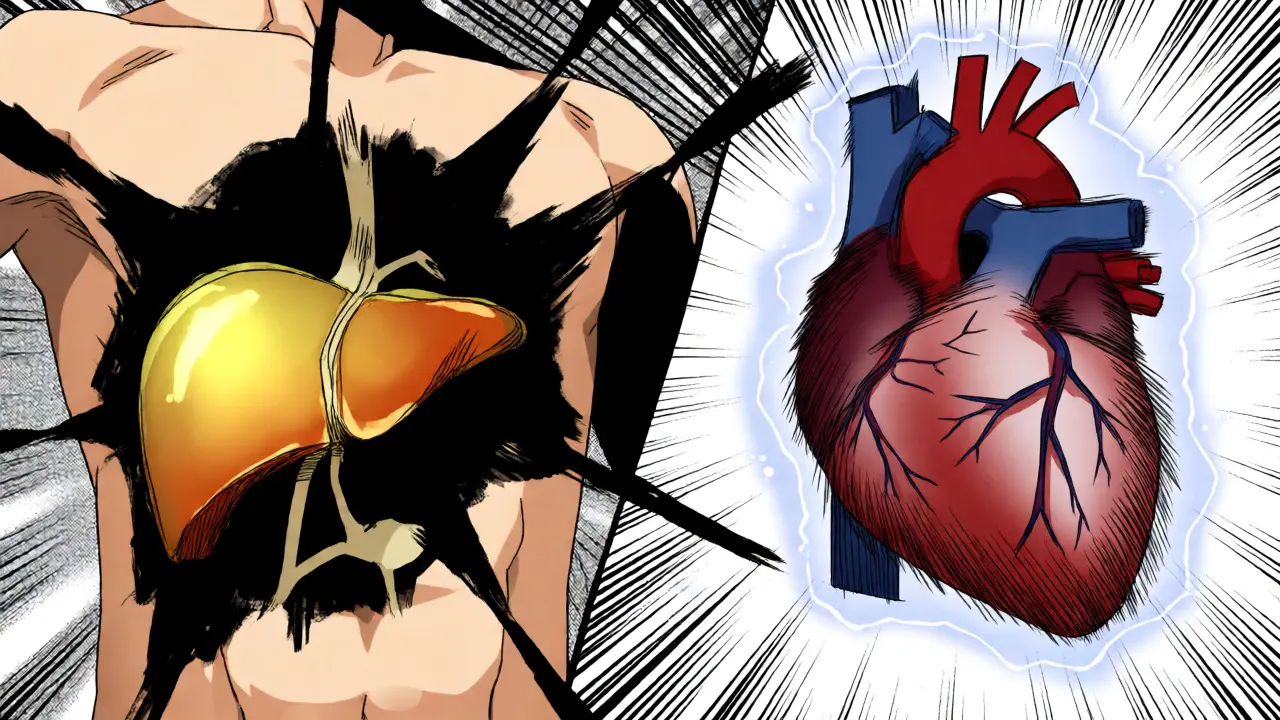
Paracetamol (known as acetaminophen in the US) is notorious for delayed liver damage. You might feel perfectly normal for two days after taking too much, but your liver cells are dying silently. If treatment doesn’t start within eight hours, up to 45% of survivors develop chronic liver conditions, including cirrhosis. Stimulants like Adderall, when misused, stress the cardiovascular system. Survivors often face hypertension and irregular heartbeats months after the incident. Each drug class leaves its own fingerprint on your organs.
| Drug Class | Primary Organ at Risk | Common Long-Term Effect | Prevalence in Survivors |
|---|---|---|---|
| Opioids | Brain & Lungs | Hypoxic Brain Injury / Pneumonia | High (Neurological) |
| Benzodiazepines | CNS / Brain | Memory Deficits / Cognitive Fog | 27% |
| Stimulants | Heart | Hypertension / Arrhythmias | 31% |
| Paracetamol | Liver | Cirrhosis / Chronic Liver Disease | 45% (if untreated) |
We often focus on the physical scars, but the psychological impact is equally severe. Surviving an overdose creates a unique form of trauma. You nearly died. That knowledge lingers. Research indicates that 73% of overdose survivors develop a diagnosable mental health condition afterward. Post-traumatic stress disorder (PTSD) affects 41% of them. Major depressive disorder hits 38%. These aren’t pre-existing conditions getting worse; they are new wounds created by the event itself.
Many survivors describe a sense of isolation. Friends and family might think you’re "back to normal" because you’re walking and talking again. But inside, you might be battling anxiety every time you take a prescribed pill. The fear of repeating the mistake can be paralyzing. Only 28% of survivors receive appropriate mental health follow-up care within the first month. If you haven’t had a proper therapy session since your discharge, you’re missing a critical piece of your recovery puzzle.
Here is a frustrating reality: most emergency rooms treat the overdose as an acute event, not a chronic condition. They stabilize you, ensure you’re breathing, and send you home. Data shows that 41% of survivors leave the hospital without any referral for specialized neurological or psychological monitoring. Doctors are trained to save lives in the moment, not necessarily to manage the slow-burn consequences that appear weeks later.
This gap in care leads to preventable suffering. People return to work or school, struggling with balance or memory, but they don’t connect it to the overdose because no one told them to expect it. They assume they’re just aging poorly or stressed. Recognizing the link between the overdose and current symptoms is the first step toward getting help. You need to advocate for yourself because the system often won’t do it for you.

Is all damage permanent? Not always. The brain has neuroplasticity-the ability to rewire itself. While severe hypoxic injury can be lasting, mild cognitive deficits can improve with targeted therapy. Occupational therapy helps rebuild motor skills and daily living habits. Cognitive behavioral therapy (CBT) addresses the trauma and anxiety loops. Physical therapy can restore balance if nerve damage occurred.
Timing matters. Starting rehabilitation early yields better results. However, even years later, improvements are possible. Regular check-ups with a neurologist and a hepatologist (if liver involvement is suspected) are crucial. Monitor your blood pressure regularly if stimulants were involved. Keep a symptom diary. Note when you feel confused, tired, or anxious. Patterns will emerge, and this data helps doctors tailor your treatment plan.
Preventing the initial overdose is obviously ideal, but preventing long-term damage requires speed. For opioids, administering naloxone within five minutes of respiratory arrest drastically reduces brain injury risk. For paracetamol, the eight-hour window is non-negotiable. Education saves lives and limbs. Knowing the signs of overdose-unresponsiveness, pinpoint pupils, slow breathing-empowers bystanders to act fast.
On a broader scale, healthcare systems are slowly waking up. New guidelines now recommend neurological assessments within 72 hours of survival. Funding for research into hypoxic brain injury is increasing. Yet, access remains unequal. Rural areas often lack specialized rehab centers. If you live in a place with limited resources, telehealth options for cognitive therapy might be worth exploring. Don’t let geography dictate your quality of life.
The duration varies significantly based on the severity of oxygen deprivation. Mild cases may resolve within a few weeks, but moderate to severe hypoxic injuries can cause cognitive issues that persist for months or become permanent. About 63% of survivors report ongoing memory problems, suggesting that for many, "brain fog" is a long-term companion rather than a temporary glitch.
If treated promptly with N-acetylcysteine within the first 8-24 hours, the liver can often regenerate fully. However, if treatment is delayed beyond 48-72 hours, significant necrosis (cell death) occurs. In these cases, chronic conditions like cirrhosis may develop, which are generally irreversible but manageable with lifestyle changes and medical supervision.
This is common due to both biological and psychological factors. Physiologically, neurotransmitter systems may be altered. Psychologically, the trauma of nearly dying creates PTSD and anxiety. Additionally, social stigma and feelings of shame can isolate survivors. Clinical studies show 38% of survivors develop major depressive disorder post-overdose, highlighting the need for integrated mental health care.
Key signs include persistent difficulty with short-term memory, impaired balance or coordination, speech difficulties, and trouble concentrating. If these symptoms remain unchanged for more than six months post-overdose, they are likely permanent structural changes rather than temporary recovery phases. A neurologist can confirm this through MRI scans and cognitive testing.
No, not everyone experiences long-term effects. Many recover fully with no noticeable deficits, especially if the overdose was caught early and vital signs remained stable. However, statistics suggest a high risk: 68% of non-fatal overdose survivors experience at least one chronic health condition. Factors like the type of drug, amount taken, and time to treatment heavily influence the outcome.