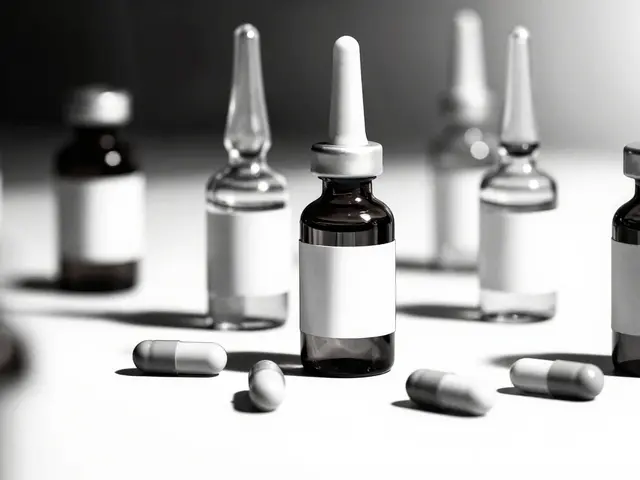

Imagine you’re rushing to fill a prescription for your elderly parent. You grab the bottle that looks familiar-same color cap, similar shape, almost the same name on the label. It’s only when they take it and start feeling dizzy that you realize: this isn’t the blood pressure medication they were prescribed. It’s a completely different drug with a nearly identical name. This scenario plays out in pharmacies and hospitals every day, often with far more serious consequences than dizziness.
The rise of generic medications is a cost-saving measure that has made healthcare more accessible but introduced significant safety challenges due to visual and auditory similarities between drug names and packaging. While generics are chemically equivalent to their brand-name counterparts, the way they are named, packaged, and stored creates a perfect storm for confusion. These aren't just minor mix-ups; they represent one of the most dangerous categories of preventable harm in modern medicine.
Look-alike, sound-alike (LASA) medications are drugs whose names or packaging share striking similarities. The World Health Organization defines these as medicines where orthographic (visual) or phonetic (auditory) resemblance leads to confusion during prescribing, dispensing, or administration. Think of it like having two friends named "Bill" and "Beal." If someone shouts "Beal!" across a noisy room, you might turn around expecting Bill. In healthcare, that mistake can be fatal.
There are two main types of LASA risks:
The Institute for Safe Medication Practices (ISMP) maintains a list of nearly 1,000 such confusing pairs. They note that while many errors are caught before reaching the patient, others slip through, leading to severe harm or even death. According to global data, LASA errors account for approximately 25% of all medication errors worldwide.
You might wonder why generics specifically get the blame here. Brand-name drugs usually have distinct, proprietary packaging designed to stand out. Generics, however, are produced by multiple manufacturers who often use standard, cost-effective packaging. This means you might find three different brands of the same generic drug sitting next to each other on a pharmacy shelf, looking almost identical in size, shape, and color.
This lack of standardization creates a "visual noise" problem. A study published in Pharmacy Practice in 2021 found that over 10% of medication errors were directly attributed to the similar appearance of products. When you add in the fact that generic names are often based on chemical structures rather than catchy marketing terms, they tend to share common prefixes or suffixes. For instance, many anti-inflammatory drugs end in "-profen," and many statins end in "-statin." This linguistic pattern increases the chance of transcription errors.
Consider the case of Valtrex (valacyclovir) and Valcyte (valganciclovir). Both start with "Val," both are used for patients with weakened immune systems, and both come in similar-looking capsules. But Valtrex treats herpes viruses, while Valcyte prevents cytomegalovirus (CMV) reactivation in transplant patients. Giving the wrong one to a kidney transplant recipient could suppress their immune system further, leading to life-threatening infections.
Medication errors don’t happen in a vacuum. They occur at specific points along the "medication use continuum." Understanding where these breaks happen helps us fix them. Data from Merative’s 2023 analysis shows that 68% of medication errors occur during administration (when the patient takes the drug), and 24% happen during prescribing (when the doctor writes the order).
In the UK, the National Reporting and Learning System recorded over 206,000 medication incidents in a single year, resulting in dozens of deaths. Many of these involved LASA confusions. For example, nurses in intensive care units have reported mixing up dopamine and dobutamine-two critical cardiac drugs that sound alike but have very different effects on the heart. One increases heart rate and force of contraction; the other primarily affects blood vessel dilation. A simple verbal miscommunication can shift a patient from stability to crisis.
Pharmacists also face immense pressure. A 2021 survey revealed that 78% of pharmacists encounter LASA errors at least monthly. They are often the last line of defense, trying to catch mistakes made earlier in the chain. But human attention spans are limited, especially in high-volume settings.
So, how do we stop these errors? Blaming individual doctors or nurses doesn’t work because, as Dr. David Bates from Harvard Medical School argues, LASA errors are a system failure, not a personal one. We need structural solutions. Here are the most effective strategies currently in use:
| Strategy | Effectiveness | Implementation Cost | Best For |
|---|---|---|---|
| Tall Man Lettering | High (67% reduction) | Low | EHRs, Labels, Prescriptions |
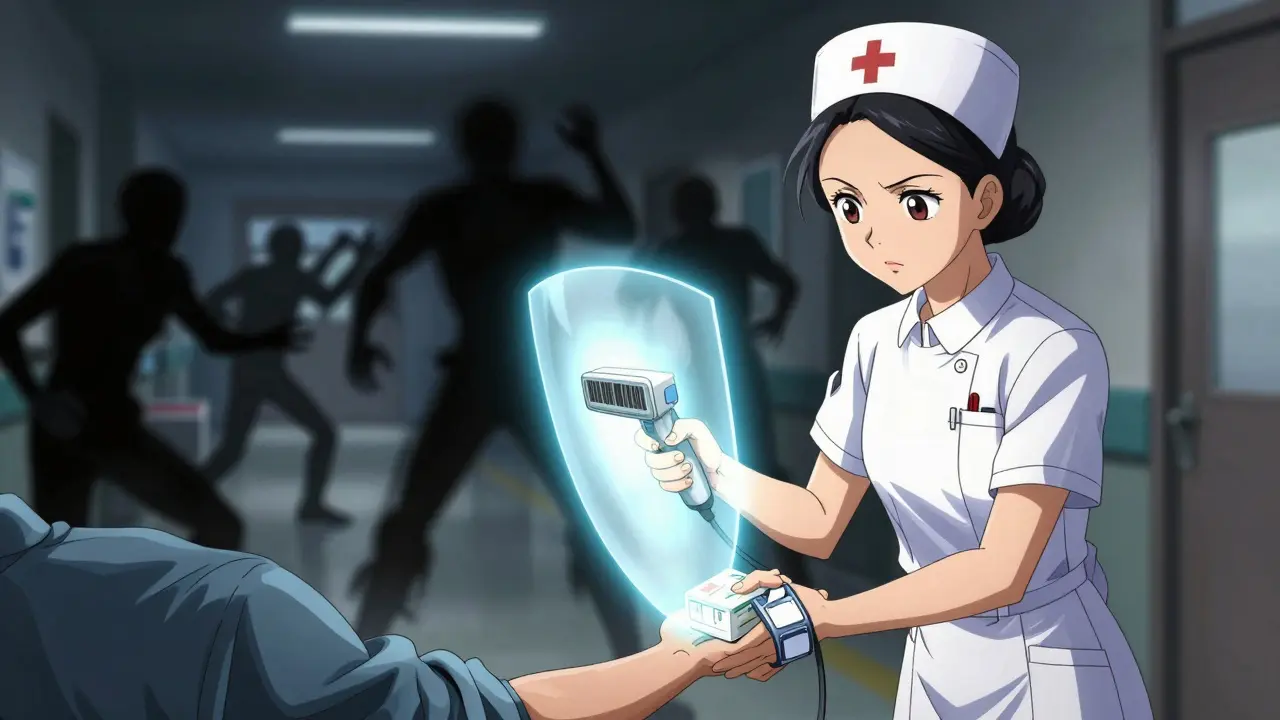
| Barcode Scanning | Very High (45-82% reduction) | Medium-High | Hospitals, Clinics |
| Physical Separation | Medium | Low | Pharmacies, Storage Units |
| AI Decision Support | Very High (82% reduction) | High | Large Hospital Systems |
You don’t have to be a pharmacist to protect yourself. As a patient, you are part of the safety team. Here’s how you can spot potential LASA risks:
The landscape is changing. Regulatory bodies like the FDA and EMA are getting stricter. The FDA rejected 34 drug name applications in 2021 solely due to LASA concerns. The European Medicines Agency now mandates name similarity assessments for all new drugs, which has already reduced new LASA pairs entering the market by 22%.
Technology is also evolving. Artificial intelligence embedded in electronic health records is becoming smarter at predicting errors before they happen. However, challenges remain, particularly with generic manufacturers who may not adopt standardized packaging quickly. The WHO’s "Medication Without Harm" challenge aims to reduce severe medication-related harm by 50% globally by 2025, making LASA prevention a top priority.
Until then, vigilance is key. Whether you’re a healthcare provider, a pharmacist, or a patient, understanding the risks of look-alike, sound-alike drugs is the first step toward preventing them. Don’t assume the system is foolproof. Ask questions, check labels, and never hesitate to verify.
Common LASA pairs include albuterol and atenolol (sound-alike), nitroglycerin and nitrofurantoin (look-alike), and Valtrex and Valcyte (both look and sound similar). Other frequent confusions involve hydralazine/hydroxyzine and dopamine/dobutamine.
No, generic drugs are chemically equivalent to brand-name drugs and undergo rigorous testing for safety and efficacy. However, they pose higher LASA risks because multiple manufacturers produce them with similar packaging and naming conventions, increasing the chance of visual or auditory confusion.
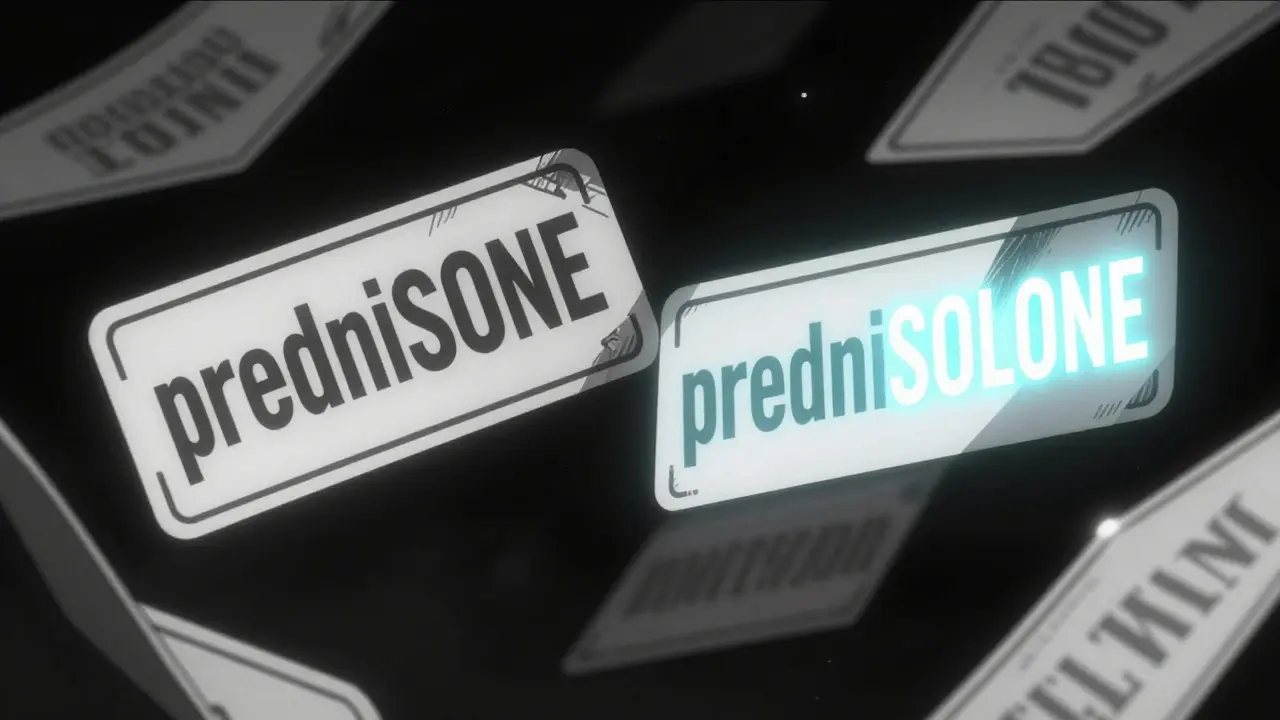
Tall man lettering emphasizes differences in drug names by capitalizing specific letters (e.g., predniSONE vs. predniSOLONE). This visual cue forces readers to slow down and notice distinctions, reducing transcription and selection errors by up to 67% in some studies.
LASA errors account for approximately 25% of all medication errors globally. They are one of the leading causes of preventable harm, particularly in vulnerable populations like children and the elderly.
While technology cannot eliminate all errors, AI-powered clinical decision support systems and barcode scanning have shown significant reductions (up to 82%) in LASA errors. These tools act as safety nets, flagging potential confusions before they reach the patient.
Stop taking the medication immediately and contact your pharmacist or doctor. Bring the bottle and prescription slip with you. Do not discard the medication until you’ve confirmed whether it was an error, as it may need to be investigated for safety reporting.