

Select a scenario you've heard or experienced to see the medical reality.
You take your morning pill, feel a wave of nausea, and immediately wonder if you should just toss the rest in the bin. It’s a scenario millions of people face daily. We’ve all heard the stories from friends or family about medications causing terrible problems, leading us to believe that side effects are inevitable, dangerous, and impossible to manage. But what if most of what you believe about these reactions is simply wrong?
Misinformation about medication side effects is a widespread issue that leads patients to stop necessary treatments prematurely, resulting in worsened health outcomes and increased healthcare costs. According to the World Health Organization, only 50% of patients in developed countries actually stick to their long-term therapy for chronic illnesses. This isn't just about being forgetful; it's often driven by fear based on myths. The good news? Most side effects can be managed without quitting your meds entirely.
The most pervasive myth is this: "If I feel bad after taking my medicine, I should stop." It feels logical, right? Your body is rejecting it, so you reject it back. However, AdhereTech’s 2022 analysis found that 37% of patients with chronic conditions self-discontinue treatment because of this exact mindset. The problem is that abrupt discontinuation can be far more dangerous than the side effect itself.
Consider antidepressants. A 2019 systematic review in the Journal of Clinical Psychiatry documented that 56% of patients experience withdrawal symptoms when they stop suddenly. These aren't just mild inconveniences; we’re talking about dizziness (reported by 32% of cases), insomnia (41%), and even "brain zaps"-that strange electric shock sensation in the head reported by 27% of users. Similarly, heart attack survivors who stop beta-blockers within 90 days due to perceived side effects increase their risk of recurrent cardiac events by 3.2 times, according to a 2022 study in Circulation.
So, what do you do instead of quitting? You adapt. For instance, nausea from certain antibiotics can be reduced by 68% simply by taking them with food, as shown in a 2020 Journal of Clinical Pharmacy and Therapeutics study. Yet, 42% of patients experiencing this stop their medication without asking their doctor. Before you throw away your prescription, call your provider. They can adjust the dose, change the timing, or switch you to an alternative that doesn't upset your stomach.
"I feel better, so I’m done." If you’ve ever thought this while looking at a half-empty bottle of antibiotics, you’re not alone. A 2022 University of Utah survey found that 63% of Americans believe they can stop antibiotics when symptoms improve. Only 38% actually complete the full course.
This habit is fueling a global crisis. The CDC identifies premature discontinuation as a primary contributor to antibiotic resistance, which affects 2.8 million Americans annually and causes 35,000 deaths. When you stop early, you kill the weak bacteria but leave the strong ones alive. Research published in the Proceedings of the National Academy of Sciences (2017) shows that surviving bacteria develop resistance mechanisms. A single premature discontinuation increases the likelihood of resistant infections by 17%, according to a 2020 meta-analysis in The Lancet Infectious Diseases.
The rule is simple: symptom resolution does not equal bacterial eradication. Most bacterial infections require 7-14 days of treatment to eliminate 99.9% of pathogens. Swallowing those last few pills might taste bad, but it protects you from superbugs that no longer respond to standard treatments.
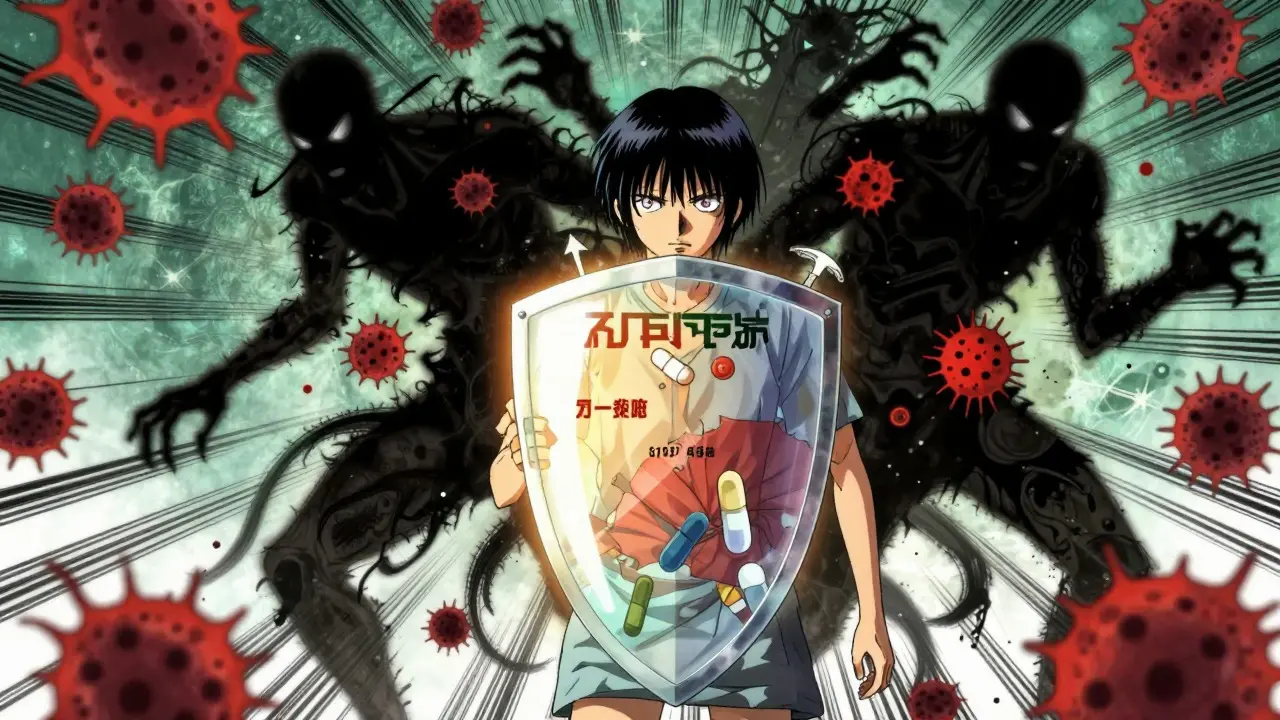
If you have high cholesterol, you’ve likely heard horror stories about statins destroying muscles. It’s such a common belief that 74% of patients discontinue statins within the first year, according to a 2021 American Journal of Cardiology study. But does the science support this fear?
Rigorous clinical evidence says no. The Cholesterol Treatment Trialists' Collaboration analyzed data from 174,000 patients across 27 randomized trials and found that only 0.9% more statin users than placebo users reported muscle symptoms. That’s an absolute risk difference of less than 1%. Even more striking, a 2018 study in the New England Journal of Medicine showed that 90% of patients who *believed* they had statin-related muscle issues could actually tolerate the drug when tested in blinded challenge trials.
This points to the "nocebo effect," where the expectation of a negative outcome causes the symptom. If you’re worried about muscle pain, talk to your doctor about hydrophilic statins like pravastatin or rosuvastatin. A 2020 meta-analysis in the Journal of the American College of Cardiology found these reduce muscle-related adverse events by 32% compared to lipophilic statins because they penetrate muscle tissue 70% less.
We tend to trust over-the-counter (OTC) drugs more because we don’t need a prescription. The myth here is that OTC options like ibuprofen or acetaminophen are just as effective as prescription meds for all types of pain. This leads to dangerous under-treatment and hidden risks.
A 2022 Journal of Pain Research analysis found that OTC medications provide inadequate relief for 68% of patients with moderate to severe chronic pain. Consequently, 41% of these patients delay seeking professional help for an average of 14.7 months, relying on pharmacy aisles instead of doctors. But long-term OTC use carries its own heavy price tag.
| Medication | Max Daily Dose | Primary Risk | Annual Incidents (US) |
|---|---|---|---|
| Acetaminophen | 3,000mg - 4,000mg | Liver Toxicity | 56,000 ER visits |
| Ibuprofen | 1,200mg | Gastrointestinal Bleeding | 10,000 Hospitalizations |
Acetaminophen causes 56,000 emergency department visits annually, with liver toxicity occurring at doses exceeding 4,000mg/day. Ibuprofen exceeds recommended doses lead to 10,000 hospitalizations yearly for GI bleeding. Don’t assume "available without a script" means "risk-free."

There’s a lingering belief that prescription drugs are inherently safer than illicit substances. This misconception contributes significantly to the opioid epidemic. The National Institute on Drug Abuse reports that 53% of new opioid misuse cases in 2022 began with prescription medications obtained from friends or family.
In 2022, prescription opioids were involved in 18,000 overdose deaths, with 30% of these cases involving individuals taking medications not prescribed to them. The American Society of Addiction Medicine states that prescription opioids carry a 23% risk of developing opioid use disorder after just 30 days of use. While illicit fentanyl carries a higher immediate overdose risk per dose, the accessibility of prescriptions creates a false sense of security. Furthermore, mixing any prescription medication with alcohol increases mortality risk by 47%, according to a 2022 Journal of Clinical Medicine study.
Instead of listening to internet forums or well-meaning but misinformed relatives, rely on data-driven strategies. The FDA’s 2022 Patient Communication Framework recommends using "teach-back" methods with your providers to ensure you understand how to manage potential issues. This approach has been shown to improve adherence by 32%.
Pharmacists are also underutilized resources. The American Pharmacists Association reports that medication therapy management consultations reduce side effect-related discontinuations by 41%. If you’re struggling, ask for a consult. Additionally, digital tools are helping. Smart pill bottles and adherence apps can help you distinguish between actual side effects and normal disease symptoms, reducing unnecessary discontinuations by 39%, according to the Stepping Stone Center’s 2022 survey.
Not necessarily. Nausea is a common side effect that can often be managed. Try taking the medication with food, which has been shown to reduce nausea by up to 68% for certain antibiotics. If that doesn't work, contact your doctor before stopping; they may adjust the dose or switch you to a different formulation.
No. Stopping antibiotics early allows the strongest bacteria to survive and multiply, leading to antibiotic resistance. This increases your risk of future resistant infections by 17%. Always complete the full course prescribed by your healthcare provider, typically 7-14 days, to ensure 99.9% of pathogens are eliminated.
Rarely. Clinical trials show that less than 1% of statin users report muscle symptoms more than placebo users. In fact, 90% of patients who believe they have statin-induced myopathy can tolerate the drug in blinded trials. If you experience discomfort, ask your doctor about hydrophilic statins like pravastatin, which have lower muscle penetration rates.
They are accessible without a prescription, but not necessarily safer for long-term use. Acetaminophen can cause liver toxicity at doses above 4,000mg/day, leading to 56,000 ER visits annually. Ibuprofen can cause gastrointestinal bleeding, resulting in 10,000 hospitalizations yearly. Chronic pain requires professional management rather than indefinite OTC use.
The nocebo effect occurs when a patient expects negative side effects and subsequently experiences them, even if the medication itself didn't cause the issue. Studies suggest nearly half of reported side effects may be influenced by this psychological phenomenon. Being informed about realistic risks can help mitigate this effect.


Anna Salamon
It is genuinely refreshing to see data that actually supports talking to your doctor instead of just quitting in a panic. I always tell my friends that communication is the key to any long-term health strategy. We often let fear dictate our actions when we really should be letting facts guide us. It takes courage to admit you are struggling with side effects but even more wisdom to seek a solution rather than avoidance. Keep sharing these kinds of resources because they empower people to take control of their own narratives.
Marc H
Oh, brilliant. Another article telling me my body is lying to me and I should just suffer through it for the greater good of statistics.
I stopped my beta-blockers because my heart felt like it was trying to escape my chest, not because I was being 'difficult.' Now I'm told I increased my risk by 3.2 times? Thanks for the post-hoc analysis, Einstein. Maybe if the drugs didn't make me feel like a zombie, people wouldn't treat them like optional accessories. The 'nocebo effect' is just a fancy word for 'you're crazy' isn't it?
Chris McQuaid
The statin section is where this whole piece falls apart for anyone who has actually taken them. Sure, blinded trials show low rates of myopathy, but those trials exclude people who already have chronic pain or mitochondrial issues. You can't just dismiss anecdotal evidence as 'psychological' when thousands of patients report identical symptoms. It's lazy science to say 90% tolerate it in a challenge trial without acknowledging that 10% might have legitimate physiological reactions that aren't captured in broad meta-analyses. The placebo-controlled design doesn't account for cumulative toxicity over decades.
sam howard
people think otc is safe cause its on the shelf next to cereal. liver failure from tylenol is real and happens way more than you think. ibuprofen tears up your stomach lining if you abuse it. dont be stupid and just pop pills all day without checking the label. most deaths from overdoses are accidental acetaminophen poisoning from mixing cold meds.
Alli Crumley
The paradigm shift required here is recognizing that biological determinism is often superseded by psychosomatic manifestation. When we engage with the nocebo effect, we are essentially participating in a self-fulfilling prophecy of suffering. It is imperative that we deconstruct the narrative of victimhood surrounding pharmaceutical interventions. By internalizing the discourse of 'side effects,' we invite the symptom into our reality. Embrace the biochemical truth: your mind is creating the pathology you fear. Stop projecting your anxiety onto the molecule. 🧠💊
Samuel Hershberger
This is a fantastic breakdown of why adherence matters so much. One thing I'd add is that pharmacists are incredibly underutilized in this process. If you're having trouble with nausea or timing, ask your pharmacist for a quick consult before calling your doctor. They can often suggest taking it with a specific type of food or splitting the dose if the formulation allows. It’s a small step that saves a lot of hassle and keeps you on track with your treatment plan. Don't hesitate to use the resources right at your local pharmacy!
Diane Nash
One must consider the philosophical implications of trusting one's immediate sensory experience over longitudinal clinical data. The sensation of nausea is undeniably real in the present moment, yet it is a transient state that does not necessarily correlate with long-term harm. To abandon a therapeutic regimen based on acute discomfort is to prioritize short-term comfort over enduring well-being. This requires a disciplined approach to one's health, acknowledging that temporary adversity may be the price of sustained vitality. It is a rational choice to endure minor inconveniences for significant gains in life expectancy and quality.
Mathew Stuckey
So true! 💯 Always finish those antibiotics! 🦠