

Finding the right source for Chloramphenicol is a potent broad-spectrum antibiotic used to treat serious bacterial infections. However, because this medication can be dangerous if misused, it isn't as simple as adding a product to a cart and checking out. Depending on whether you need it for a pet, a horse, or a laboratory experiment, the process and the legal requirements change completely. Trying to buy the wrong grade of this drug can lead to wasted money or, worse, a health crisis.
Before you start searching for a vendor, you need to know exactly what version of this antibiotic you are looking for. It is a common mistake to assume that "pure" powder from a research site is the same as a pill from a pharmacy. They are not.
Pharmaceutical-grade versions are formulated for biological absorption and safety. They come in measured doses-like capsules or eye drops-and are manufactured under strict sterile conditions. On the other hand, research-grade chemicals are produced for assays and cell biology. While they might have a high purity level (often 98% or higher), they lack the additives needed for safe ingestion and may contain impurities that are toxic to living organisms.
If you are treating a sick animal, avoid "research chemicals" at all costs. Similarly, if you are running a lab test, there is no reason to pay the premium for a prescription pharmacy version.
For those treating small animals or horses, the most reliable path is through a licensed veterinary pharmacy. Because of the risk of bone marrow suppression (a serious side effect), these pharmacies will not sell to you without a prescription.
One prominent option is Rood & Riddle Veterinary Pharmacy. They specialize in compounding, meaning they can tailor the dose to your animal's specific weight. To get medication here, your vet can either call them directly, fax a prescription form, or use their online portal. This ensures that a professional is overseeing the dosage, which is critical for an antibiotic this strong.
Other specialized providers like PetScript Pharmacy offer compounded capsules in varying strengths, such as 417mg, 700mg, and 750mg. Northwest Compounders also provides these, but they issue a stark warning: the powder inside these capsules can be toxic to humans. If a capsule breaks, you must use gloves to handle it to avoid skin absorption.
| Pharmacy Name | Available Formats | Requirements | Ordering Method |
|---|---|---|---|
| Rood & Riddle | Compounded Formulations | Vet Prescription | Phone, Fax, or Website |
| PetScript Pharmacy | Capsules (417mg, 700mg, 750mg) | Vet Prescription | Online Login |
| Northwest Compounders | Capsules | Vet Prescription | Online/Fax |

If you are working in a lab, the rules are different. You aren't looking for a medication; you're looking for a reagent. These suppliers don't require a prescription because the products are labeled "For Research Use Only."
Thermo Scientific Chemicals is a primary source for high-purity powder. They typically sell 25-gram quantities with a purity of 98%. For those needing smaller amounts, Adooq Bioscience provides a tiered pricing structure, selling quantities from 500mg (around $35) up to 10g ($85). This is ideal for small-scale experiments where you don't need a bulk supply.
For more specialized cell biology work, Thermo Fisher provides (R,R)-Chloramphenicol in 100-gram batches. If your research requires a liquid format, Zymo Research offers the antibiotic in 5ml vials, which is often more convenient for immediate application in a lab setting.
There are various general online pharmacies that list these products, but you should approach them with caution. Sites like CheapMedicineShop.com list a wide array of formulations, including Chloromycetin eye drops and Ocupol ointments, often priced very low (around $3.70 per unit). They also sell Paraxin capsules in 250mg and 500mg strengths.
While the price seems attractive, the risk of receiving counterfeit or contaminated medication from unverified online sources is high. If you use a general pharmacy, ensure they are licensed in a jurisdiction that recognizes strict pharmaceutical standards. For those looking for bulk pharmaceutical pricing, services like SingleCare can help find coupons, though bulk bottles (like 100gm) can cost significantly more-sometimes exceeding $1,700.
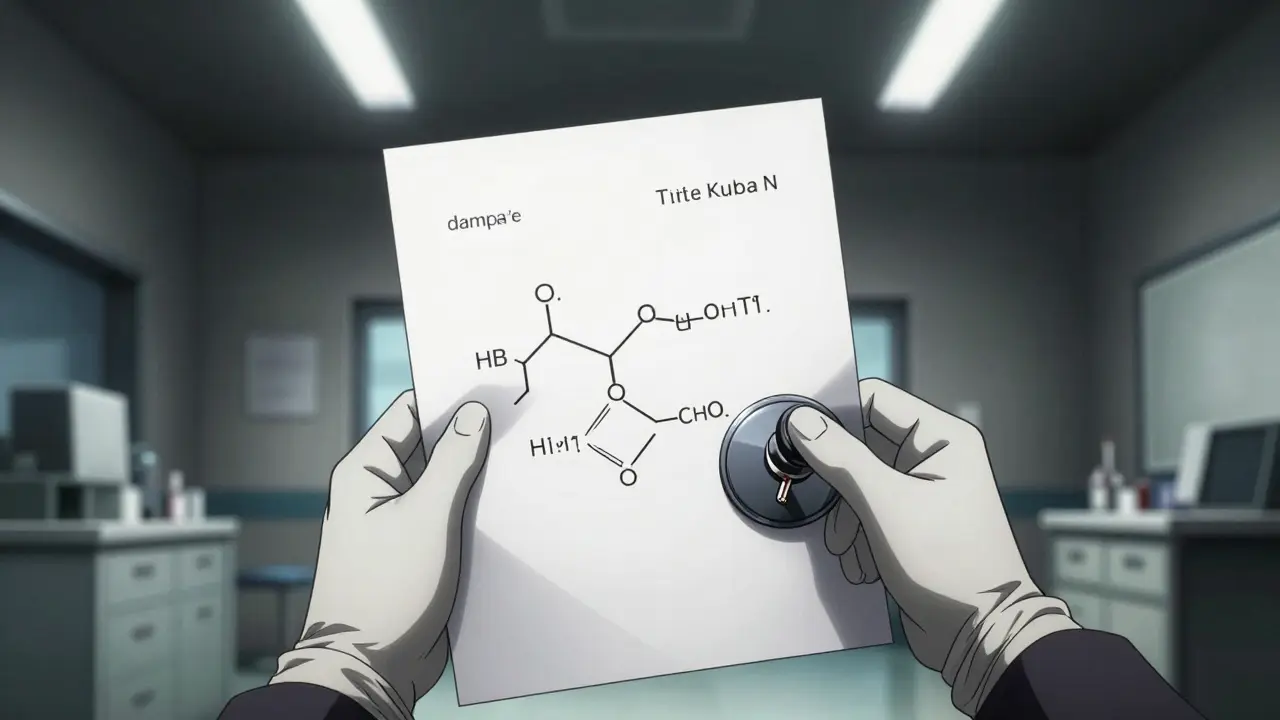
Buying buy online Chloramphenicol requires a clear understanding of the risks. This is not a "mild" antibiotic. In humans, it has been linked to aplastic anemia, a condition where the body stops producing enough new blood cells. This is why it is rarely used for people unless no other options exist.
From a legal standpoint, attempting to bypass prescription requirements for veterinary use can lead to the seizure of the package by customs or legal action by regulatory bodies. If you are ordering from an international source, be aware that importing prescription drugs without a license is illegal in many countries, including the UK and the US.
Always check the CAS number (56-75-7) when buying for research. This ensures you are getting the actual chemical and not a generic substitute. If the seller cannot provide the molecular weight (323.126 g/mol) or the melting point (149.0°C to 153.0°C), they are likely not a professional scientific supplier.
No. Licensed veterinary pharmacies, such as Rood & Riddle or PetScript, require a prescription from a licensed veterinarian. Using this drug without professional guidance is dangerous because of the risk of toxicity and the need for precise dosing based on the animal's weight.
Absolutely not. Research-grade chemicals from suppliers like Thermo Scientific or Adooq Bioscience are not manufactured for consumption. They may contain chemical residues or impurities that are harmful if ingested or injected, and they lack the stabilization needed for medical use.
Prices vary by quantity. Small amounts (500mg) can start around $35, while 10g quantities cost roughly $85. Bulk pharmaceutical quantities are much more expensive, with some 100gm bottles priced over $1,700.
You should always wear gloves and protective gear when handling the powder form. It has high toxicity levels to humans if handled improperly or absorbed through the skin.
Look for compounding pharmacies that specifically require a veterinarian's sign-off. Examples include Rood & Riddle and Northwest Compounders. Avoid websites that offer to sell prescription-only antibiotics without asking for a medical license or prescription.
If you are a pet owner, your first step is to schedule a consultation with your veterinarian to determine if this specific antibiotic is the right choice for your animal's infection. Once you have a prescription, decide if you need a standard dose or a compounded formulation for a very small or very large animal.
For lab technicians, verify the purity levels (look for 98%+) and ensure the supplier provides a Certificate of Analysis (CoA). If you are importing from another country, check your local customs regulations regarding the import of scientific chemicals to avoid shipping delays or legal issues.




Dave Edwards
Absolutely scandalous that we even have to discuss the "merits" of buying prescription drugs from random websites. It is a moral failing of the highest order that people think they can play pharmacist with their pets! 🙄
Ajinkya Joshi
Oh wow, a guide on how to buy dangerous antibiotics online. Truly a masterpiece of helpfulness. I'm sure the people buying 100g bottles for $1,700 are just doing a "small experiment" in their kitchen. Sarcasm intended.
Rick Brewster
the sheer banality of this discourse ignores the ontological tension between medical necessity and regulatory capture... its almost laughable how we treat the chemical as a commodity rather than a catalyst for biological transformation though i suppose the plebeians just want their dog fixed without thinking about the systemic failure of the healthcare industrial complex
Emma Cozad
USA labs are the only ones doin it right anyway. Other countries just copy our tech and then complain about regulations. Just buy from a US vendor and stop overthinkin it
Sue Stoller
This is such a helpful breakdown! ✨ It's so important to keep our furry friends safe while getting the help they need. Keep sharing these tips! 🐾💖
Mel Glick
Listen up, the US pharmaceutical system is a joke and we all know it. If you're stuck paying those insane prices, just get the compounding pharmacy to handle the paperwork and stop complaining about the red tape. It's there for a reason!
RAJESH MARAVI
Why would anyone trust a compounding pharamacy when you can just find a source on the dark web that actually works?? the laaaw is just a suggestion for ppl who are afraid of a lil bit of bone marow suppression lol
Sarah Watters
Notice how they push these "licensed" pharmacies. It's all a front to keep the real data hidden and ensure only the government-approved chemicals hit the market. They don't want us knowing what's actually in those vials.
Saptatshi Biswas
It is frankly offensive that this guide doesn't prioritize the superior manufacturing standards of Indian pharmaceutical hubs. You pretend to be thorough, yet you ignore the global powerhouse of generic medicine. Your narrow perspective is a disservice to the intellectual capacity of your readers and a slap in the face to Indian industry!
Anantha Lakshmi
Let's all just focus on the safety part of this! 🌟 Proper dosing is everything when it comes to these strong meds. Stay safe everyone! 🙏
Caroline Duvoe
too many words just go to a vet 🙄💅
vimal purwal
I must firmly agree with the necessity of maintaining a strict boundary between research chemicals and medical applications, as the potential for catastrophic failure in a biological system is far too great to risk for the sake of convenience or cost-cutting measures. While the guide provides a comprehensive overview, I believe that the emphasis on the legal repercussions of importing such substances cannot be overstated, as the regulatory bodies in various jurisdictions are becoming increasingly aggressive in their pursuit of illicit pharmaceutical trade, regardless of whether the intent was purely therapeutic or scientific in nature.
Nicole Antunes
I appreciate the detailed warnings here. It's always better to be safe than sorry when dealing with high-toxicity substances. :)