When doctors combine gabapentinoids like gabapentin or pregabalin with opioids for pain relief, they’re trying to do something smart: reduce the amount of opioids needed. But what seems like a clever shortcut can turn dangerous - especially when it comes to breathing. Between 2012 and 2017, prescriptions for this combo jumped by 64%. By 2018, over 67 million gabapentinoid prescriptions were filled in the U.S. alone. Now, that number is falling - not because the drugs stopped working, but because we’re learning how risky they can be together.
Why This Combo Was Ever a Good Idea
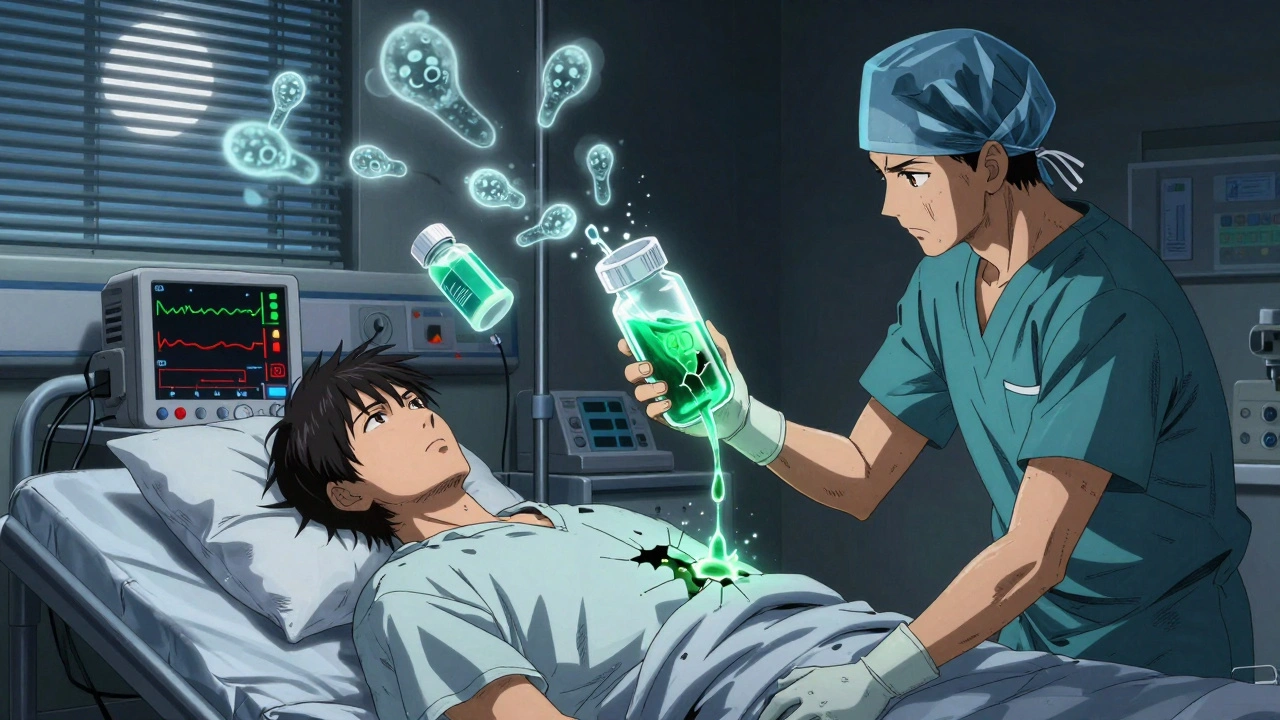
Gabapentin and pregabalin were never meant to be painkillers. They started out as seizure meds. But doctors noticed something: patients on these drugs after surgery needed fewer opioids. A 20-30% drop in opioid use sounded like a win. Less opioid meant less risk of addiction, less nausea, less constipation. For years, this combo became standard in hospitals, especially after spine, hip, or knee surgeries. It wasn’t magic - it was just a different way to block pain signals. But the real cost wasn’t visible on paper. It was happening inside the brainstem.
How Gabapentinoids Quiet Your Breathing
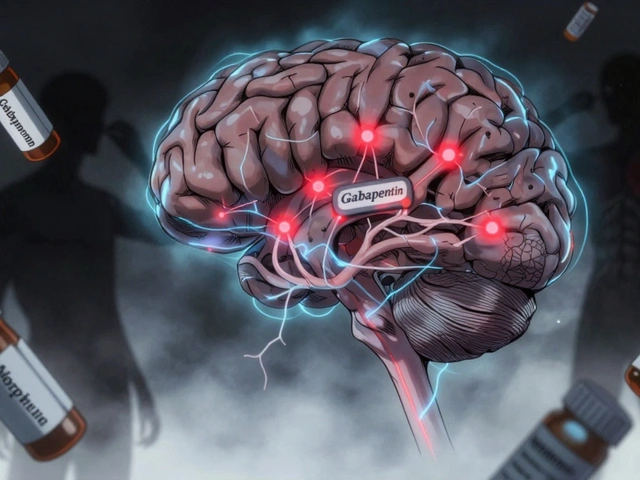
Opioids slow breathing by acting on receptors in the medulla - the part of your brain that controls automatic functions like breathing. Gabapentinoids don’t work the same way. They bind to a different target, the α2δ-1 subunit, and reduce how sensitive your brain is to carbon dioxide. That’s a problem. Your body uses rising CO2 levels as a signal to breathe harder. If that signal gets muted, you stop responding when you need oxygen most. Add that to opioids, and your breathing doesn’t just slow - it becomes unpredictable. One study showed gabapentinoids can make your brain ignore CO2 spikes by up to 40%. That’s not a small effect. It’s life-threatening.
The Hidden Drug Interaction No One Talked About
There’s another layer most people miss. Opioids slow down your gut. That might sound harmless, but it changes how gabapentin gets absorbed. A 2017 study in PLOS Medicine found that when you take gabapentin with an opioid, your body absorbs 44% more of it. That means even a normal 300mg dose of gabapentin can act like 430mg. You’re not taking more - your body just lets more in. That’s why some patients feel dizzy or drowsy even on low doses. It’s not tolerance. It’s pharmacokinetic trickery. And it’s not rare. The FDA saw over 100 case reports of severe respiratory depression tied to this combo before they acted.
Who’s at Highest Risk?
Not everyone reacts the same. Some people can take this combo and walk away fine. Others can’t. The biggest red flags:
- Age 65+ - Older adults clear these drugs slower. Their brains are more sensitive.
- Obstructive sleep apnea - If you already stop breathing at night, adding this combo can push you into full respiratory failure.
- COPD or asthma - Your lungs are already working hard. This combo takes away your backup system.
- High doses - Gabapentin over 900mg/day or pregabalin over 150mg/day doubles the risk.
- Renal impairment - Both drugs are cleared by the kidneys. If your kidneys are weak, the drugs build up.
One real case from a Reddit thread in r/Anesthesiology tells the story: a 58-year-old man with mild COPD got 20mg of morphine and 300mg of gabapentin after surgery. Twelve hours later, he stopped breathing. He needed naloxone to wake up. He wasn’t overdosing. He was just unlucky - and poorly monitored.
What the Data Really Shows
You’ll hear conflicting things. One study says the risk is low. Another says it’s deadly. Here’s the truth: the
absolute risk is still small. For every 16,000 patients given this combo, only one might have a serious event. But when that one person is your parent, your sibling, or you - it’s not small anymore. The UK Office of Health Economics found a 2.3 times higher chance of death with this combo. A 2022 UK death registry analysis showed a 38% higher risk of accidental overdose. These aren’t theoretical numbers. They’re real people.
And here’s the catch: randomized trials - the gold standard - haven’t shown a big difference in respiratory depression. Why? Because you can’t ethically give people dangerous doses just to see what happens. So we rely on real-world data. And that data is screaming.
Regulators Are Finally Acting
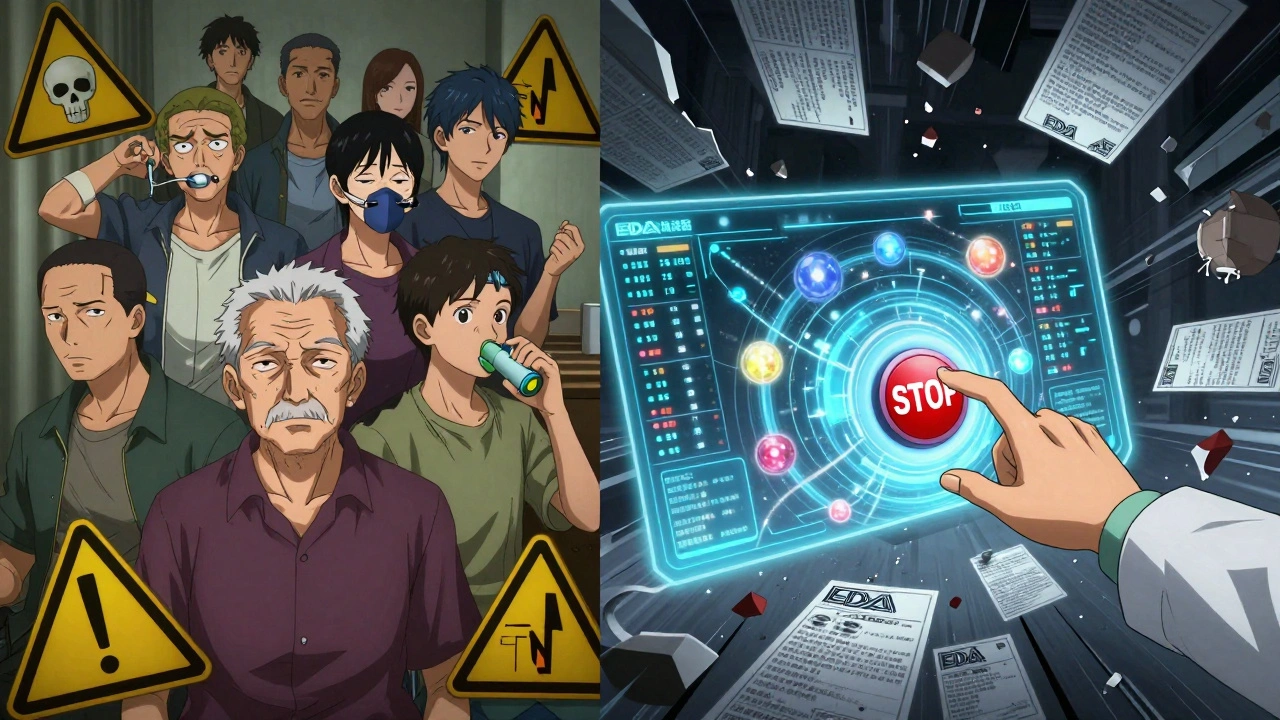
In December 2019, the FDA required a boxed warning - the strongest kind - on all gabapentinoid labels. It says:
“Concomitant use with opioids may cause profound sedation, respiratory depression, coma, and death.” That’s not a footnote. It’s bold, red, and legally required. The European Medicines Agency and UK’s MHRA followed suit. The American Geriatrics Society’s Beers Criteria now says:
“Avoid this combination.” NICE in the UK updated its guidelines in 2023 to say gabapentinoids shouldn’t be used routinely with opioids for back pain.
Prescriptions are dropping. Gabapentinoid use fell 12% in co-prescribing with opioids between 2018 and 2021. Hospitals are changing protocols. One orthopedic surgeon reported a 40% drop in emergency respiratory events after banning gabapentinoids in patients with sleep apnea on opioids.
What Should You Do If You’re on This Combo?
If you’re taking gabapentin or pregabalin with an opioid, don’t panic. But do this:
- Ask your doctor if you really need both. Is the opioid dose already low? Could another painkiller work?
- Know your dose. Gabapentin over 900mg/day or pregabalin over 150mg/day is a red flag.
- Watch for signs. Unusual drowsiness, confusion, slow breathing, or difficulty waking up are not normal. Call 911 if you see these.
- Get monitored. If you’re in the hospital after surgery, ask for pulse oximetry and capnography - not just a finger clip. Capnography measures CO2 levels and catches trouble before oxygen drops.
- Don’t drink alcohol or take sleep aids. They make everything worse.
The Future: Safer Pain Management
The FDA is funding two new clinical trials (NCT04567890, NCT04678901) to measure exactly how much respiratory depression this combo causes using real-time breathing monitors. Early data from the University of Florida suggests your genes might play a role - some people have a version of the α2δ-1 protein that makes them extra sensitive. In the next few years, we might see genetic tests to screen for this risk.
Meanwhile, the American Pain Society is building a risk calculator that uses 12 factors - age, kidney function, opioid dose, BMI, sleep apnea history - to predict who’s most at risk. Early results show it can spot high-risk patients 87% of the time. That’s a game-changer.
For now, the message is clear: this combo is not safe for everyone. The benefit of reducing opioids by 20-30% doesn’t outweigh the risk of stopping breathing - especially when safer alternatives exist. Pain doesn’t have to mean danger. But you have to ask the right questions.
Can gabapentin and opioids be taken together safely?
They can be taken together in rare cases under strict supervision - but only if the benefits clearly outweigh the risks. For most people, especially those over 65, with sleep apnea, COPD, or kidney problems, the combination is unsafe. The FDA and other health agencies now recommend avoiding it unless absolutely necessary. If it’s used, doses must be kept low, and patients must be monitored for sedation and breathing changes.
What are the signs of respiratory depression from this combo?
Signs include extreme drowsiness, slow or shallow breathing (fewer than 10 breaths per minute), confusion, difficulty waking up, blue lips or fingertips, and unresponsiveness. These symptoms can appear within hours of taking the drugs, especially after surgery or a dose increase. If you or someone else shows these signs, call emergency services immediately - naloxone may be needed.
Is gabapentin safer than pregabalin with opioids?
No. Both gabapentin and pregabalin carry the same risks when combined with opioids. Pregabalin is more potent and absorbed faster, which may make its effects more predictable - but it doesn’t make it safer. The FDA’s warning applies to both drugs equally. Dose matters more than the specific drug: high doses of either are dangerous.
Why did doctors start prescribing this combo if it’s so risky?
Initially, the goal was to reduce opioid use and lower addiction risk. Studies showed patients needed 20-30% less opioid pain medication after surgery when gabapentinoids were added. That looked like a win. But the long-term safety data - especially on breathing - was never properly studied. Many doctors assumed that because gabapentinoids weren’t opioids, they were safe to combine. That assumption turned out to be dangerously wrong.
Are there alternatives to gabapentinoids for pain control with opioids?
Yes. Acetaminophen, NSAIDs like ibuprofen or naproxen, and certain antidepressants like duloxetine are safer options for multimodal pain control. For nerve pain, topical lidocaine or capsaicin patches can help without systemic risks. Physical therapy, nerve blocks, and cognitive behavioral therapy are also effective non-drug alternatives. The key is building a pain plan that avoids combining CNS depressants.
What should I do if my doctor prescribes this combo?
Ask three questions: 1) Why do I need both drugs? 2) Is there a safer alternative? 3) Will I be monitored for breathing problems, especially in the first 24-72 hours? If your doctor dismisses your concerns, get a second opinion. You have the right to understand the risks. Don’t assume it’s safe just because it’s prescribed.



Neelam Kumari
So now we're just supposed to trust Big Pharma's 'safe combo' narrative? 😏 Next they'll say aspirin cures cancer. This is why I don't trust doctors anymore.
Rebecca Dong
The FDA only acted because someone died on live TV during a hip replacement. They don't care until it's viral.
Ariel Nichole
This is actually super helpful. I had no idea gabapentin could mess with breathing like that. Thanks for laying it out so clearly.
Michaux Hyatt
I'm an anesthesiologist. We stopped giving gabapentinoids to anyone with OSA or COPD two years ago. The drop in post-op codes was insane. This isn't theory-it's daily practice.
Queenie Chan
Imagine if your brain had a mute button for CO2... like a smart home app that says 'I'll handle it.' Except your body's not smart. It's just... waiting. And waiting. And then-silence. No beep. No alert. Just... gone. 🌫️
Stephanie Maillet
It's fascinating... how we've built entire medical protocols on assumptions that sound rational... until they kill you. We optimize for metrics-reduced opioid use, shorter hospital stays-while ignoring the quiet, invisible collapse of the respiratory reflex. Is this progress? Or just elegant negligence?
Courtney Blake
American doctors are just trying to save money. Gabapentin is cheap. Opioids are expensive to monitor. So they combine them and call it 'multimodal care.' Meanwhile, grandma’s breathing slows down and no one notices until it’s too late.
Doris Lee
I'm on this combo for nerve pain and my doc just said 'it's fine.' Now I'm scared. Should I stop?
Taylor Dressler
If you're currently taking this combination, do not abruptly stop either medication. Taper gabapentinoids under medical supervision-withdrawal can cause seizures. And if you're on opioids, don't discontinue without a plan. Talk to your provider. Bring this post. Ask about capnography. You're not overreacting.
Jean Claude de La Ronde
so like... the brain just... ignores co2? like it's on airplane mode? lol. that's wild. i thought only my phone did that.
Raj Rsvpraj
In India, we don't even have this problem. Our doctors know better. They don't mix dangerous drugs like American pharmacists do. This is why Western medicine is so reckless.
Kaitlynn nail
So... it's not the drugs. It's the *system*. We're all just lab rats in a profit-driven game. 🤷♀️
Mia Kingsley
I read this and thought 'this is fake' until I checked my own Rx. I'm on 1200mg gabapentin and 15mg oxycodone. My doctor said 'you're fine.' Now I'm crying in my car. This isn't a post. This is a warning label on my life.
Sylvia Frenzel
Why are we even talking about this? People die from everything. Coffee kills. Water kills. Stop being so sensitive.
Nikki Smellie
This is all part of the Great Pharmaceutical Depopulation Agenda. The same people who pushed SSRI antidepressants for children are now pushing gabapentinoids. They want to quiet the population. The CO2 suppression? It's not a side effect-it's the feature. 🕵️♀️💉