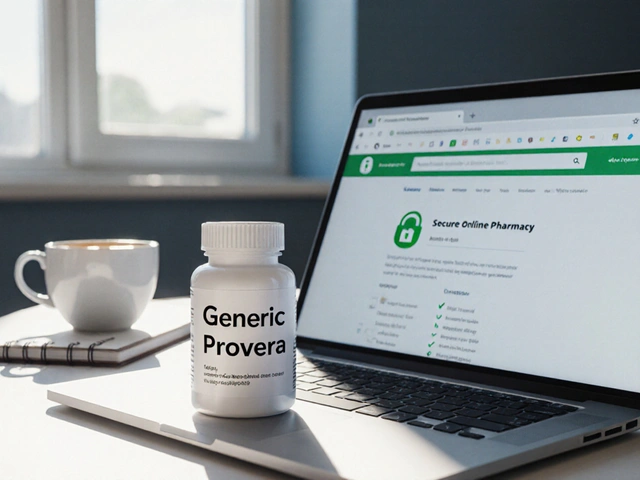

Walking into a pharmacy used to be the only way to get your medication. You’d wait in line, hand over your insurance card, and hope the price wasn’t shocking. Today, you can do it all from your couch. App-based prescribing platforms have turned generic medications into a tap-away convenience. But with so many options popping up, how do you know which one is safe, affordable, and actually worth your time?
In 2026, getting generics through an app isn’t just about speed. It’s about navigating a complex mix of subscription models, medical screening, and delivery logistics. Whether you need blood pressure meds, hair loss treatment, or daily vitamins with a prescription, the right platform can save you hundreds of dollars. The wrong one might leave you without coverage or confused by hidden fees.
App-based prescribing platforms are digital health services that combine telemedicine consultations with direct-to-consumer drug delivery. These apps allow licensed physicians to evaluate your health via questionnaires or video calls, write e-prescriptions, and ship generic medications directly to your door.
This model exploded in popularity around 2017-2018 with companies like Ro and Hims & Hers. By 2025, they had evolved into full healthcare ecosystems. Instead of just selling pills, these platforms offer AI-powered recommendations, real-time tracking, and integrated payment systems. The goal? To make accessing affordable generics easier than buying coffee.
Here’s what typically happens when you use one:
The tech behind this is solid. Most apps run on React Native or Flutter for smooth performance on iOS and Android. They use HIPAA-compliant encryption (256-bit AES) to keep your data safe. However, not every condition fits this model. Controlled substances and complex chronic diseases often require in-person care, limiting what these apps can prescribe.
Not all apps are created equal. Some focus on broad coverage, while others specialize in lifestyle meds or financial integration. Here’s how the major players stack up as of mid-2026.
| Platform | Pricing Model | Key Strengths | Limitations |
|---|---|---|---|
| Amazon RxPass | $5/month subscription | Ultra-low cost for eligible generics; fast Prime delivery | Limited to ~300 medications (expanding in 2026); no consultation included |
| Ro | $15/month + med costs | Broadest coverage (1,200+ meds); board-certified doctors in all 50 states | Higher monthly fee; less focus on lifestyle branding |
| Hims & Hers | Per-prescription ($25-$45) | Strong brand for ED, hair loss, skincare; discreet packaging | Narrower therapeutic focus; higher per-item cost |
| Beem Health | Free app + savings | Integrates cash advances (Everdraft™); high user satisfaction (4.2/5) | Less known for pure medical expertise; financial features may distract |
Amazon RxPass dominates if you want simplicity. For $5 a month, you get access to essential generics like metformin or lisinopril. It’s perfect if you already have a prescription and just need a cheaper refill. But don’t expect a doctor’s visit here-it’s strictly a fulfillment service.
Ro is the heavyweight for comprehensive care. With over 1,200 medications across 15 categories, it covers everything from ADHD to diabetes. Their case studies show high adherence rates (89% for diabetes programs), suggesting their follow-up support works. The trade-off? You pay more upfront.
Hims & Hers remains the go-to for sensitive issues. If you’re embarrassed to talk to your primary care doctor about erectile dysfunction or hair thinning, their branded approach feels less clinical. Prices are 40-60% below retail, but you’re paying for the experience, not just the pill.
Beem Health stands out by merging healthcare with finance. Serving over 5 million users, it offers prescription savings alongside cash advances. This hybrid model appeals to those managing tight budgets, though some users worry about the focus shifting away from medical advice.
Yes, significantly. According to Drug Patent Watch’s 2025 analysis, generics cost 80-85% less than brand-name equivalents. App-based platforms amplify this by cutting out middlemen.
Consider this scenario: A 30-day supply of brand-name Losartan might cost $150 at a local pharmacy. The generic version could be $15. Through Amazon RxPass, you might pay just $5 total if it’s on their list. Beem Health reports generics priced 30-50% below standard retail rates even outside subscriptions.
However, watch out for hidden costs. Some apps charge for expedited shipping. Others include consultation fees that aren’t clearly stated upfront. Always check if your specific medication is covered before signing up. Also, remember that insurance compatibility varies-about 40% of users report issues trying to link their existing plans with these apps.

Convenience shouldn’t come at the cost of safety. In 2025, the FDA issued 12 warning letters to telehealth companies for inadequate risk disclosure. Why? Because some platforms prioritize sales over thorough medical screening.
A JAMA Internal Medicine study found that DTC telehealth platforms prescribed medications 23% more frequently than traditional primary care settings for similar conditions. Dr. Sarah Thompson, Chief Medical Officer at the American Pharmacists Association, warned that "the shift from patient care to drug sales creates concerning incentives that may compromise clinical judgment."
Here’s how to stay safe:
The American Medical Association has expressed concerns about "therapeutic misconception" when financial incentives drive decisions. Choose platforms that prioritize transparency over aggressive marketing.
Data tells one story; users tell another. On Reddit’s r/telehealth, 68% of sentiment was positive in late 2025. Users loved the discretion and speed. One verified Amazon customer noted, "The ability to get generics for $5 through RxPass instead of $45 at my local pharmacy changed my routine."
But 32% reported problems. Common complaints include:
Beem Health scored highest in user satisfaction (4.2/5 on Trustpilot), largely due to its integrated financial tools. Amazon RxPass lagged at 3.5/5, with users citing limited medication coverage as a pain point.
If you value ease of use, Ro leads with an 85% completion rate for first prescriptions within 20 minutes. Their interface is clean, and their pharmacist support, while slower (47-minute average response), is medically robust.

Ready to try app-based prescribing? Follow these steps to avoid common pitfalls.
Pro Tip: Always upload clear images of any existing prescriptions. OCR technology helps process them faster, reducing delays.
The market for drug reference apps is projected to hit $9.3 billion by 2034, growing at 8.7% annually. We’re seeing a shift toward hybrid care models. Ro is integrating with Apple Health records to bridge care gaps. Beem Health plans Medicare Part D integration for 2026.
Expect more specialization. Dedicated platforms for diabetes, hypertension, and mental health will emerge. Amazon aims to expand RxPass to 300 medications by early 2026. Meanwhile, regulators are pushing for unified medication records to prevent dangerous interactions.
For now, app-based prescribing is a powerful tool for simple, chronic conditions. It’s not a replacement for your primary care physician, but it’s a smart supplement for managing everyday health needs affordably and conveniently.
Yes, provided the platform uses licensed physicians who comply with state telemedicine laws. Twenty-two states require an established patient-provider relationship before prescribing. Always verify the doctor's license in your state.
It depends. About 40% of users face compatibility issues. Amazon RxPass operates mostly outside insurance networks, offering flat-rate savings instead. Ro and Beem Health have varying levels of insurance integration. Check each app’s FAQ or contact support before signing up.
Reputable apps use HIPAA-compliant 256-bit AES encryption and biometric authentication. They undergo regular third-party security audits. Avoid platforms that don't clearly state their security protocols or lack HIPAA certification.
Denial rates average 25-35%. Reasons include incomplete medical history, contraindications with other meds, or conditions requiring in-person evaluation. Contact the app’s medical team for clarification. Sometimes, a follow-up video call resolves the issue.
Hims & Hers specializes in sensitive issues like ED, hair loss, and skincare, offering discreet packaging and tailored branding. Ro also handles these well but with a broader medical focus. Both maintain high privacy standards.