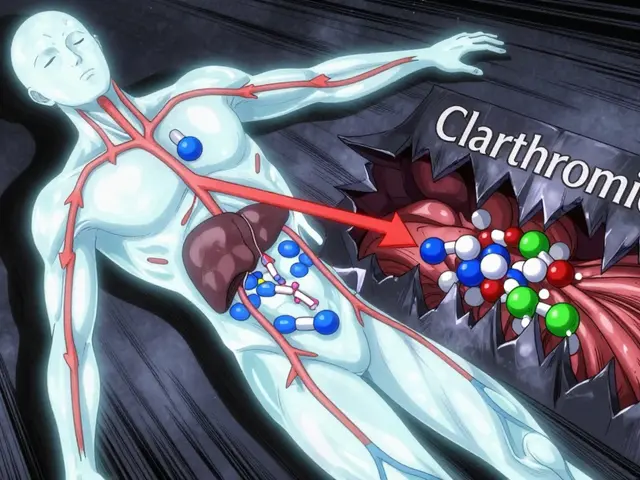

Most of us don't give a second thought to the tiny pill we swallow every morning. We focus on the active drug-the part that actually treats the condition. But if you look at a medication label, the active part is often just a fraction of the total pill. The rest is made up of inactive ingredients, also known as excipients. While these substances aren't designed to treat your illness, they play a huge role in how a drug is made, stored, and absorbed by your body. For most people, these fillers are invisible and harmless. But for a significant number of patients, these "inactive" components can cause very real, active problems.
When the FDA defines a drug, they separate it into the active pharmaceutical ingredient (API) and everything else. The API is the engine-it's what lowers your blood pressure or fights the infection. The excipients are the chassis and the paint. They include binders to keep the pill from crumbling, coatings to make it easier to swallow, preservatives to stop the drug from spoiling, and dyes to give the pill a specific color.
You might be surprised to learn that in some cases, inactive ingredients make up more than 50% of a tablet. According to a study by MIT and Brigham and Women's Hospital, some formulations contain as much as 99% inactive components. Because they don't have a pharmacological effect on the disease, regulators often view them as benign. However, "inactive" doesn't mean "biologically inert." For someone with a severe allergy or a sensitive gut, these fillers can trigger a reaction just as quickly as the active drug itself.
Here is where it gets tricky. For a generic medication to be approved, it must demonstrate bioequivalence. This means the generic version must deliver the same active ingredient into your bloodstream at a similar rate and extent as the brand-name version. But while the active ingredient must be the same, the inactive ingredients do not have to match.
Generic manufacturers can use different fillers, dyes, or preservatives. As long as the Abbreviated New Drug Application (ANDA) proves these ingredients are safe, the FDA allows them. This is why you might notice that a generic pill is a different color or shape than the brand-name version you used for years. While a 4% variation in active ingredient concentration is common and usually medically insignificant, the variation in inactive ingredients can be vast. This lack of a standardized "inactive list" is exactly why some people feel fine on a brand-name drug but experience side effects after switching to a generic.
| Feature | Brand-Name Medication | Generic Medication |
|---|---|---|
| Active Ingredient | Original formulated compound | Identical to brand-name |
| Inactive Ingredients | Consistent formulation | Can vary by manufacturer |
| Bioequivalence | The gold standard | Must be bioequivalent to brand |
| Cost | Higher (R&D and marketing) | 80-85% lower on average |
| FDA Approval | Full New Drug Application | Abbreviated (ANDA) process |
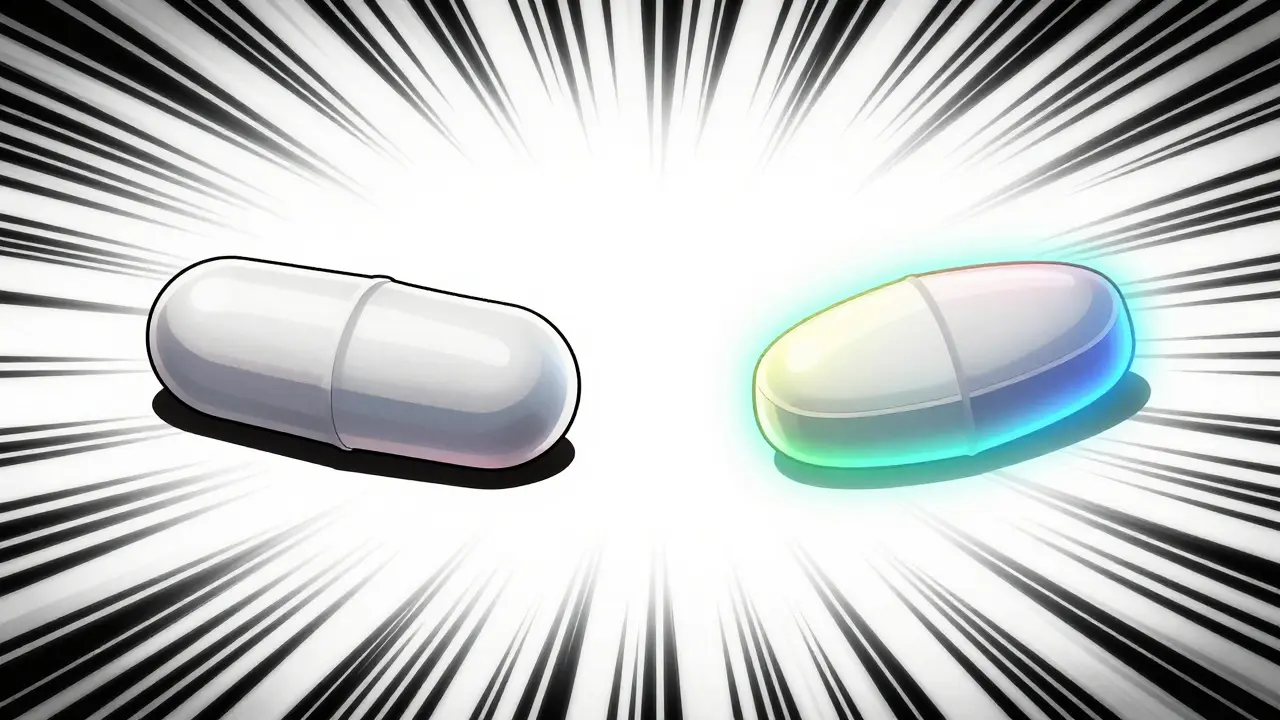
Not all fillers are created equal. Some are common allergens or irritants that can cause everything from a mild rash to severe digestive distress. If you have an autoimmune condition or a history of allergies, you should be aware of these specific components:
The real danger isn't just a single pill, but "polypharmacy." This happens when patients-especially those over 65-take five or more medications daily. If every one of those pills contains a small amount of a problematic filler, the cumulative dose can reach a threshold that triggers a reaction. Since doctors often don't know exactly which generic manufacturer's version a pharmacy will dispense, they can't always predict these reactions.

You'll often see stories online from people who swear their generic medication doesn't work as well as the brand name. While the active drug is the same, the excipients can change how that drug is released. Some research has shown that certain generic drugs dissolved over three times faster than their brand-name counterparts. If a drug hits your system too quickly, it might lead to more side effects or a shorter duration of action.
Take the case of thyroid medication, such as levothyroxine. Because this drug has a very narrow therapeutic window, even a tiny change in how the filler affects absorption can lead to symptoms of hypothyroidism or hyperthyroidism. Some patients report severe stomach cramps after switching generics, only for the symptoms to vanish when they return to the brand-name version. In these cases, it's rarely the active hormone causing the issue-it's the filler.
You don't have to avoid generics to stay safe. Most people transition between brands and generics with zero issues. However, if you are highly sensitive or have a known allergy, you need a proactive strategy. Don't just assume the pharmacist knows your specific filler allergies; often, the software only flags major allergens like peanut oil.
Start by asking your pharmacist for the "package insert" or the full list of inactive ingredients for the specific generic they are giving you. If you notice a pattern-such as a rash appearing every time you switch to a new generic manufacturer-keep a log of the manufacturer's name and the NDC (National Drug Code) number found on the bottle. This allows you to request the same specific generic version every time, ensuring consistency in your fillers.
If you have a severe allergy and can't find a safe generic, talk to your doctor about a "Dispense as Written" (DAW) prescription. This tells the pharmacy they must provide the exact brand name requested and cannot substitute it for a generic. While this is more expensive, it eliminates the guesswork regarding inactive ingredients.
For the vast majority of people, no. Generic drugs must be bioequivalent to the brand name, meaning the active ingredient works the same way. However, for a small percentage of people, a different inactive ingredient can change how the drug is absorbed or cause a side effect that makes the drug feel less effective or less tolerable.
The best way is to ask your pharmacist for the full prescribing information or the patient package insert. You can also check the FDA's Inactive Ingredient Database (IID), though it is designed for professionals and can be difficult to navigate. Always check the physical label for warnings about peanut oil or other major allergens.
The primary goal of the generic system is to lower healthcare costs by allowing multiple companies to compete. Forcing every company to use the exact same fillers would limit competition and increase prices. Since most fillers are safe for most people, the FDA prioritizes the bioequivalence of the active ingredient over the exact composition of the inactive ones.
Immediately contact your healthcare provider. Do not stop taking a critical medication without medical supervision. Keep the packaging of the generic drug you are using so your doctor can identify the manufacturer and the specific excipients involved. You may need to switch to a different generic manufacturer or the brand-name version.
Currently, there aren't widely available "hypoallergenic" labels for most medications. However, some compounding pharmacies can create custom versions of medications without specific fillers (like lactose or gluten) if your doctor provides a prescription for a compounded formulation.