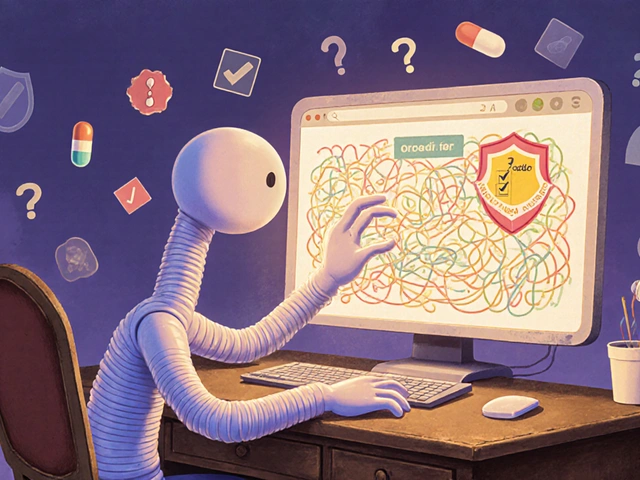

You might assume the government pulls dangerous drugs off the shelf at the drop of a hat. In reality, the system works quite differently. Many people believe the FDA is the U.S. agency responsible for protecting public health by ensuring the safety of foods and products, which includes reviewing new drugs before approval. However, when a medication turns out to be unsafe after it hits the market, the agency often cannot simply order a company to stop selling it. This limitation creates a complex dynamic between regulators, manufacturers, and patients.
The reality hinges on the Federal Food, Drug, and Cosmetic Act is a primary statute that grants regulatory authority over food, medicine, and medical devices. Under this law, the FDA lacks direct statutory power to mandate a pharmaceutical recall in most cases. Instead, the agency must request that a manufacturer take action voluntarily. While companies usually comply, this request-based system relies heavily on cooperation rather than command. If a manufacturer refuses, the path to removal becomes a legal battle involving courts rather than an administrative shutdown.
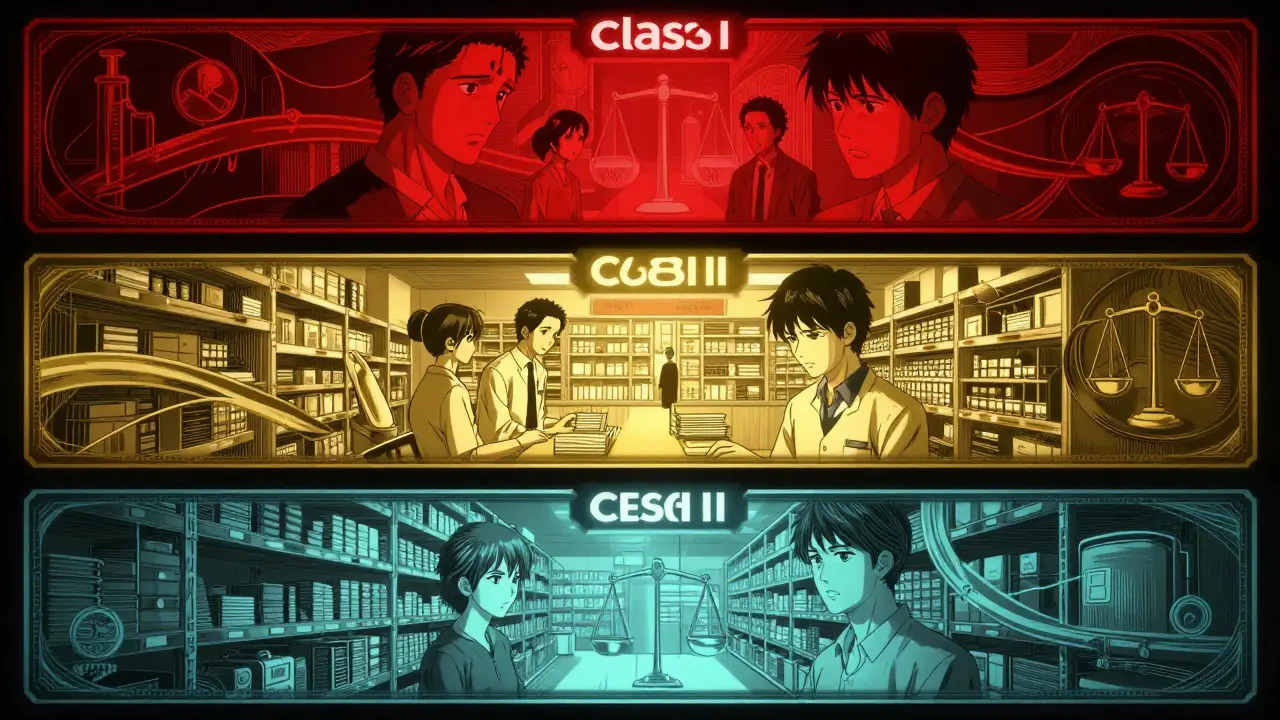
Not every recall carries the same weight. The system divides them into three tiers based on potential harm to health. Understanding these levels helps clarify why some actions feel slow while others move instantly.
| Class | Risk Level | Frequency | Typical Action Required |
|---|---|---|---|
| Class I | Serious harm or death likely | Low volume (~2%) | Patient-level notification |
| Class II | Temporary or reversible harm | Highest volume (~69%) | Wholesaler/pharmacy level |
| Class III | No likely adverse consequences | Medium volume (~29%) | Distributor return |
A Class I recall is the most severe scenario. It signals a reasonable probability that using the product will cause serious adverse health consequences or death. These instances demand immediate attention. Class II recalls involve situations where misuse may lead to temporary or medically reversible consequences. Statistics show approximately 70% of all pharmaceutical recalls fall into this category. Finally, Class III recalls address defects like labeling errors where exposure is unlikely to cause harm. Even though Class III sounds minor, consistent tracking is vital for maintaining supply chain integrity.
Most people wonder who triggers a recall. It usually begins when either a manufacturer discovers an issue during stability testing or the agency identifies safety concerns through post-marketing surveillance. One critical tool here is MedWatch serves as a reporting mechanism for side effects and problems with medical products. In 2022 alone, this program received 1.2 million reports of adverse events. This data stream allows authorities to spot patterns that individual consumers miss.
Once the decision to initiate a voluntary recall is made, the manufacturer must notify the FDA immediately. The strategy depends on the "depth" of the recall. For high-hazard drugs, the recall reaches the patient level, requiring pharmacies to call individuals directly. Lower-risk issues might only require removing stock from warehouse shelves. A study of hospital pharmacies found that 68% of directors struggle to identify affected products due to inconsistent lot numbering systems. This operational friction can delay patient notifications by an average of 3.7 days during critical events.
What happens if a company ignores the request? The FDA does have teeth, just not through a simple phone call. Under Section 304 of the FD&C Act, the agency can seek court injunctions to halt manufacturing or distribution. This moves the fight from a regulatory dispute to a courtroom battle. Legal remedies allow the government to seize violative products, though this process takes significantly longer than a standard voluntary withdrawal.
This distinction highlights a major asymmetry in regulatory oversight. While drugs rely on requests, the FDA possesses much stronger power over other products. Specifically, medical device regulation operates under different rules.

It is easy to lump all FDA-regulated products together, but the legal frameworks differ sharply. For medical devices, the agency operates under 21 CFR Part 810. This regulation explicitly authorizes mandatory device recalls if there is a reasonable probability of serious health consequences. The FDA can issue a direct order without needing a court injunction in those cases. This power gap stems from the Medical Device Amendments of 1976, which granted broader enforcement capabilities compared to the original 1938 drug provisions.
Experts often debate whether this gap should close. Critics argue that limiting mandatory power creates dangerous delays. During the 2018 valsartan contamination event, it took months to clear the market completely because international manufacturers delayed cooperation. Conversely, industry defenders point out that the voluntary system functions effectively, citing data that 99.7% of drug recalls happen quickly without forced intervention.
The conversation around recall authority evolves as risks change. Recent years saw proposals like the FD&C Modernization Act attempting to grant explicit mandatory recall powers for drugs. Although specific sections were removed during committee markups, the push remains active. New legislative efforts, such as the proposed PREVENT Pandemics Act, continue to explore giving the FDA stronger tools for public health emergencies. As of late 2023, industry groups spent significant resources lobbying against mandatory provisions, arguing existing cooperation rates justify keeping the voluntary model.
Current guidance continues to emphasize speed over mandates. Recent updates to regulations now require Class I recalls to be acted upon within 24 hours of notification, down from the previous 72-hour standard. This tightening of timelines reflects a shift toward managing complex supply chains where biological products carry increasing contamination risks. The goal remains keeping the most harmful substances away from patients while navigating the intricate web of legal permissions.
Technically, the FDA generally cannot force a drug recall directly. They must request it voluntarily. However, they can use Section 304 of the FD&C Act to get a court injunction forcing a stop in production or distribution if the company refuses. For medical devices, however, the agency does have the power to mandate recalls directly.
A Class I recall involves a high probability of serious harm or death. A Class II recall involves products that might cause temporary or reversible harm. Class I requires immediate patient notification, while Class II usually focuses on wholesalers and pharmacies.
The legal statutes governing them are different. The Medical Device Amendments of 1976 gave the FDA mandatory authority for devices, while the 1938 FD&C Act did not provide the same blanket mandatory power for pharmaceutical drugs, leaving reliance on voluntary cooperation.
The manufacturer typically bears the cost of the recall, including shipping, destruction, and notification. In many cases, insurers will cover replacement costs for patients without penalty, but policies vary by plan.
Under updated guidelines effective from September 2023, manufacturers must initiate action within 24 hours of FDA notification. This is stricter than previous standards which allowed 72 hours.



Branden Prunica
I honestly cannot believe that the agency relies so heavily on a company asking itself nicely to do the right thing. It feels terrifying when you think about how many people might get hurt because of this gap. Every single day news stories pop up about contamination that nobody sees coming. My heart races whenever I hear about a recall happening months after someone got sick. A faster way to shut these things down immediately does not seem to exist currently. We pay taxes expecting protection but the law seems to give power to the corporations instead.
The stress of waiting for voluntary compliance is completely unbearable for families involved. If a class one recall happens and they delay, lives are lost simply due to red tape. This whole process needs serious reform before another tragedy strikes. I am scared that my own medication might be part of a batch they miss entirely. It is a nightmare waiting to happen without stronger enforcement mechanisms.
Divine Manna
The Federal Food, Drug, and Cosmetic Act establishes the framework but lacks direct teeth for pharmaceutical seizures without judicial intervention. Many misunderstand the nuance between administrative directives and court injunctions available under Section 304. It is crucial to understand the separation of powers inherent in this regulatory structure.
Distinguishing between voluntary requests and mandatory orders clarifies the scope of current executive power.
Beth LeCours
They just do not care about us.
Rob Newton
Voluntary compliance is a joke when billions are on the line. Companies will drag their feet until forced otherwise.
Ace Kalagui
I know we worry a lot about the safety of our medicine supply chains but I believe there are dedicated people working behind the scenes to fix this. Think about how much data they collect through MedWatch every single year without any public fanfare. That data helps spot patterns that individual doctors would never see on their own alone. We have to trust that the notification systems reach patient levels eventually even if it takes time. Communication is key in these situations and pharmacies try their best to call everyone affected properly.
Sometimes lot numbers differ which causes delays that look bad but are actually technical hurdles. The fact that seventy percent of recalls are class two shows most issues are reversible. People forget that temporary harm is still handled differently than permanent damage scenarios. We should remember the staff in hospitals who sort through inventory during these events daily. They work hard to match those inconsistent numbering systems against their own stock records accurately.
Cooperation remains the best tool even though it frustrates everyone watching from the outside. Legal battles take longer but sometimes courts are the only place justice happens truly. It gives me hope that guidelines are tightening like the new twenty-four hour rule for severe cases. We can support better transparency by reporting side effects through the official channels ourselves. Understanding the difference between drugs and devices helps clarify why some actions feel slower than others overall. All these steps contribute to a safer environment for patients everywhere in the long run.
HARSH GUSANI
In India our regulations handle certain parts better than this slow voluntary approach here 🙄💉. Companies should face jail time not just request letters from bureaucrats who wait forever. Western laws protect profits so much over human life in the end.
I see people saying class one recalls happen fast but I saw news stories where weeks passed. The culture of business ethics is what fails not just the legal code written down. We need stronger penalties that scare executives away from cutting corners ever again 😡. Stop defending broken systems that prioritize money above health outcomes for the masses.
Brian Shiroma
Sure keep telling yourself the FDA has zero power to force a removal when kids are dying. It sounds like a nice bedtime story for people who believe in corporate goodness.
Jenna Carpenter
Theses big corp know exactly how to hide flaws until the govt asks them nicely. Its so frustating how weak the laws are written for medicine specifically. They only change when forced by a judge and jury trial finally.
angel sharma
It is important to stay focused on the improvements that happen gradually over time rather than giving up hope on the system. Progress takes patience and the new legislation proposals show we are moving in the right direction slowly. We should educate ourselves on these distinctions so we can advocate for stronger safety nets in the future effectively.
Every report filed through MedWatch helps build the case for necessary changes down the road significantly. Positive energy drives policy updates and public awareness keeps regulators accountable to their mission. Trust that the experts are analyzing every trend they see in the medical landscape today. We all play a part in making the supply chain safer for everyone involved in the process.
Sakshi Mahant
The distinction between drug and device authority is quite interesting to learn about for patients reading this. It is always good to see detailed breakdowns on how different legal statutes apply separately.
Thank you for providing this educational content to help us understand the complexities better.